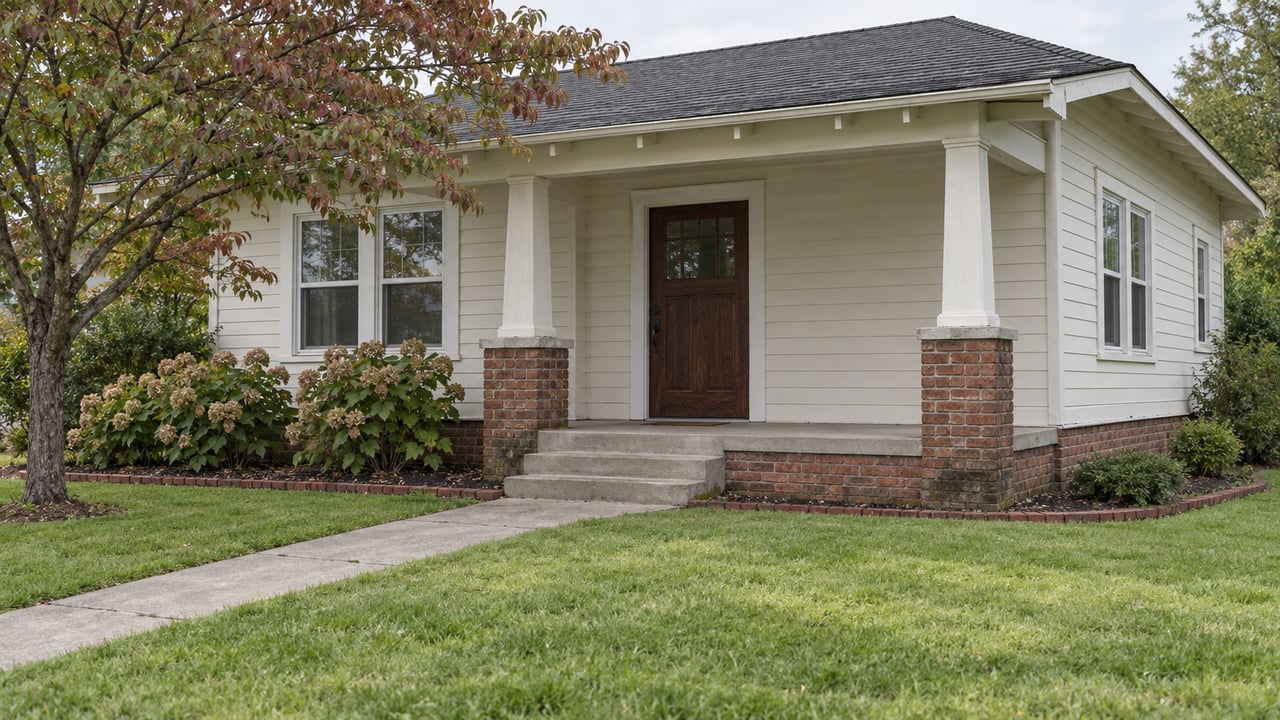
Trying to buy your next home in Sequoyah Hills while selling your current one can feel like a high‑wire act. You want to protect your equity, avoid paying two mortgages, and still win the right house in a neighborhood with limited inventory. This guide gives you clear strategies, financing options, timelines, and inspection tips tailored to Sequoyah Hills so you can move with confidence. Let’s dive in.
Why Sequoyah Hills timing is unique
Sequoyah Hills is a mature, in‑town Knoxville neighborhood known for walkability, river access, and architecturally distinctive older homes. Inventory is often limited, which means the home you want may not come up often. That affects how you structure your buy and sell plan.
Most homes are owner‑occupied single‑family properties, not new subdivisions. Sellers who prepare and price well can attract strong offers. At the same time, older homes can reveal repair needs during inspection, so planning for timelines and potential negotiations is essential.
Choose your game plan
Sell first, then buy
Selling first means you list, accept an offer, close, then use your proceeds to purchase. You come to the table with a stronger down payment and simpler financing. The tradeoff is possible temporary housing if you do not find the right Sequoyah Hills home right away.
Pros:
- Strong purchase power with proceeds in hand
- Simpler financing and fewer contingencies
Cons:
- Potential gap between move‑out and move‑in
- Limited inventory may make the search take longer
Buy first, then sell
Buying first works when you can qualify to carry two mortgages or access short‑term funds. This can be the best path if the perfect Sequoyah Hills home appears and you need to act quickly.
Pros:
- Secure the home you want without rushing your sale
- Avoid transitional housing
Cons:
- Higher financial risk and carrying costs
- Requires lender approval, strong credit, and cash reserves
Make a sale‑contingent offer
A sale contingency makes your purchase dependent on selling your current home. It reduces your risk, but it can weaken your offer if the seller has multiple buyers.
Pros:
- No need to carry two mortgages
- Protects you if your sale takes longer
Cons:
- Less competitive in a desirable area
- Deadlines and kick‑out clauses can add pressure
Use bridge financing or a HELOC
Short‑term financing helps you tap your equity before your current home closes. Options include bridge loans, home equity lines of credit, and home equity loans. These products can fund your down payment or help you carry two mortgages for a short period.
Pros:
- Move quickly in a low‑inventory market
- Keep your offer clean and non‑contingent
Cons:
- Higher rates or fees may apply
- Lender rules and repayment timing require careful planning
Consider a rent‑back (seller leaseback)
If you sell first, you can negotiate to rent your home back from the buyer for a set period after closing. This gives you time to close on your next home and plan your move.
Pros:
- Smooths your timeline without two mortgages
- Can make your listing more attractive to buyers
Cons:
- Buyer becomes a temporary landlord
- Terms must be clearly defined in writing
Coordinate closing dates
You can line up closing days so the sale funds your purchase. This might mean closing your sale in the morning and buying in the afternoon, or a short stagger.
Pros:
- Avoids carrying two mortgages
- Can feel seamless with the right coordination
Cons:
- Requires precise timing among lenders and title companies
- Delays in appraisal or underwriting can affect both deals
Financing steps that strengthen your offer
- Get a full pre‑approval, not just a pre‑qualification. A written pre‑approval letter with your loan amount and conditions makes your offer stronger.
- Ask your lender about qualifying while carrying two mortgages. Debt‑to‑income and cash reserves matter.
- Compare bridge loans to HELOCs. A bridge loan can be faster for a purchase, while a HELOC offers flexible access to equity.
- Build a cushion. Plan for earnest money, inspections, moving, possible storage, and a month or two of overlap if needed.
Contract terms in Tennessee to know
Tennessee contracts typically include standard contingencies such as financing, inspection, appraisal, and title. If you use a sale contingency, make sure it includes marketing timelines, deadlines to remove the contingency, and what happens if the seller receives another offer.
Earnest money amounts vary. Understand how and when funds can be released if a contingency is not met. If you use a rent‑back, make the leaseback terms explicit, including rent or daily fees, liability and insurance, security deposit, access for the buyer, and move‑out timing.
Inspections and disclosures for older homes
Sequoyah Hills homes have character, and older systems may show up on inspection. Roofing, HVAC, plumbing, electrical, and moisture issues are common items to evaluate. If you are selling, consider a pre‑listing inspection so you can address key issues or price accordingly.
Buyers typically have 7 to 14 days for inspections. Build in time for contractor quotes and negotiations. Tennessee requires seller property condition disclosures, so complete those accurately and early to reduce surprises.
A realistic timeline that works
Here is one example of a coordinated schedule. Your specifics may vary based on lender timing, inspections, and negotiations.
- Week 0 to 2: Get pre‑approved, meet with your agent, prep your home for market, start your search.
- Week 2 to 6: Show your home, negotiate offers, accept a buyer offer with a target closing date.
- Week 3 to 8: Write your purchase offer, negotiate terms, and manage contingency deadlines.
- Week 6 to 10: Complete inspections and appraisal, finalize repairs, lender underwriting.
- Closing day: Close your sale, then your purchase the same day or on a coordinated stagger.
Your Sequoyah Hills checklist
- Get full pre‑approval and confirm reserves if carrying two mortgages.
- Choose your strategy early: sell first, buy first, sale contingency, or short‑term financing.
- Price and prep your home to shorten days on market.
- Consider a pre‑listing inspection and gather repair estimates.
- Prepare proof of funds and earnest money.
- If using a rent‑back, negotiate a clear written leaseback.
- Select a local title company experienced in coordinated closings.
- Budget for storage, movers, and temporary housing just in case.
Local tips and resources
- Talk to more than one local lender. Regional banks and credit unions active in Knoxville often understand Sequoyah Hills comps and can advise on bridge loans and reserve requirements.
- Work with title and closing firms that regularly coordinate same‑day and staggered closings. Early coordination reduces stress.
- Ask your agent about neighborhood guidelines that may affect exterior changes or permitting. This is helpful if you plan renovations after closing.
- Choose movers comfortable with tree‑lined streets, narrow drives, and stairs common in older homes.
- Identify short‑term rental options ahead of time so you have a backup if timing shifts.
Ready to move with confidence?
You deserve a plan that protects your equity and helps you win the right home in Sequoyah Hills. With more than 1,100 successful transactions and $260M in sales, our boutique team pairs deep local expertise with hands‑on guidance for simultaneous buy‑sell moves. Get a pricing strategy, financing game plan, and a coordinated closing timeline that fits your life.
Get your free home valuation or schedule a neighborhood consultation with Shannon Foster-Boline with Realty Executives Associates.
FAQs
Should I use a sale contingency when buying in Sequoyah Hills?
- Only if you cannot carry two mortgages or access bridge financing, since non‑contingent offers are often stronger in desirable neighborhoods.
How long does a coordinated sale and purchase take in Knoxville?
- Most mortgage closings take 30 to 45 days from offer acceptance, and same‑day or staggered closings require early coordination with lenders and title companies.
Can I sell first and stay in my home until I buy?
- Yes, a rent‑back or seller leaseback can allow you to remain in the home for a set period after closing, with clear written terms for rent, duration, and responsibilities.
What are the risks of carrying two mortgages at once?
- Higher monthly payments, stricter lender qualification, and more exposure if market conditions change or a sale takes longer than expected.
Will a bridge loan or HELOC affect my purchase approval?
- It can, since short‑term loans and HELOCs add to your debts and liens, so discuss the impacts on reserves and debt‑to‑income with your lender early.
Are inspection issues more common in Sequoyah Hills homes?
- Older homes often have maintenance items like roofing, HVAC, plumbing, electrical, or moisture concerns, so consider pre‑listing inspections and accurate disclosures.
How do I make my sale‑contingent offer more competitive?
- Price your sale home competitively, offer larger earnest money, shorten contingency deadlines, and consider offering the buyer a leaseback to ease timing.