If you are drawn to Sequoyah Hills, you are probably not choosing between a good neighborhood and a bad one. You are choosing between two very different ways to live in the same neighborhood. One side leans into river access, park energy, and open views, while the other offers a more tucked-away street feel with varied architecture and deeper setbacks on some blocks. This guide will help you compare both so you can focus on the setting that fits your daily life best. Let’s dive in.
Sequoyah Hills has two distinct feels
Sequoyah Hills sits west of downtown Knoxville and the University of Tennessee, with the Tennessee River to the south and Kingston Pike to the north. Because it grew as several separate developments, the neighborhood has noticeable block-to-block variety in street patterns, lot shapes, and home styles.
That variety is a big reason buyers often pause here. A riverfront or river-adjacent home can feel connected to the park and greenway, while an interior street can feel more private, wooded, or estate-like depending on the block. In Sequoyah Hills, location within the neighborhood matters almost as much as the neighborhood itself.
Riverfront living in Sequoyah Hills
For many buyers, the biggest draw of the riverfront corridor is simple: your outdoor routine is built in. Sequoyah Hills Park anchors the river edge with 84.53 acres that include ballfields, a playground, outdoor fitness equipment, unpaved trails, and two water access points to the Tennessee River.
The neighborhood also connects well for walking and biking. Sequoyah Greenway runs 2.7 miles along the Cherokee Boulevard median and connects across Kingston Pike to Third Creek Greenway, with several access points into the park.
What the riverfront lifestyle offers
If you like to be outside often, riverfront living can make that easy. Depending on the exact location, you may be close to walking, running, biking, paddling, fishing, or casual park time without needing to leave the neighborhood.
This setting can also feel more open and recreation-oriented than many interior blocks. For some buyers, that daily connection to the river and green space is the main reason to focus their search here.
Riverfront tradeoffs to think through
Public green space brings public activity. Because Sequoyah Hills Park is a city recreation destination, nearby homes may experience more visible activity, parking, and trail traffic than homes on purely residential interior streets.
That does not make riverfront living better or worse. It simply means you should decide whether you want a more active edge of the neighborhood or a quieter residential feel.
Floodplain checks matter
If you are considering a river-adjacent property, check the address for floodplain status early. The City of Knoxville notes that local flood maps were updated after a TVA flood study and are used for floodplain regulation and permitting.
Buyers can review mapping through KGIS or FEMA’s Map Service Center, but the key takeaway is practical: do not assume all river-adjacent homes are the same. Verify the exact property before you make plans for purchase, insurance, or future improvements.
Interior streets offer a different experience
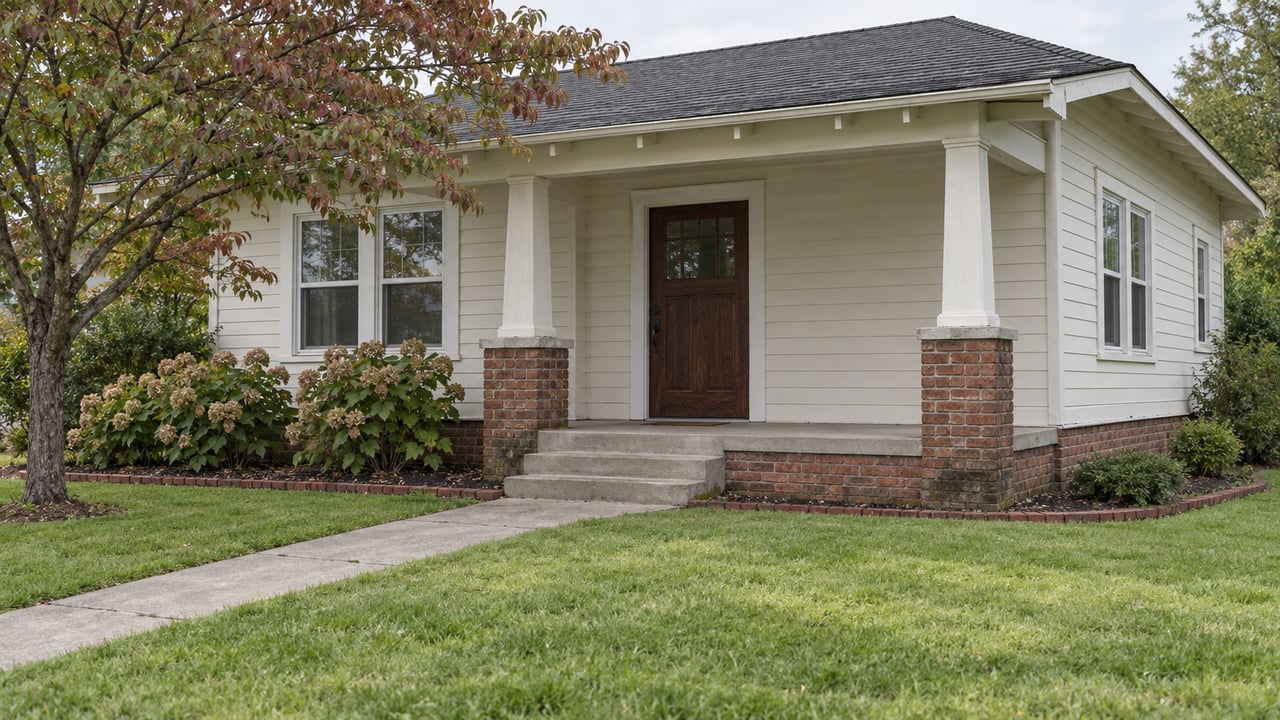
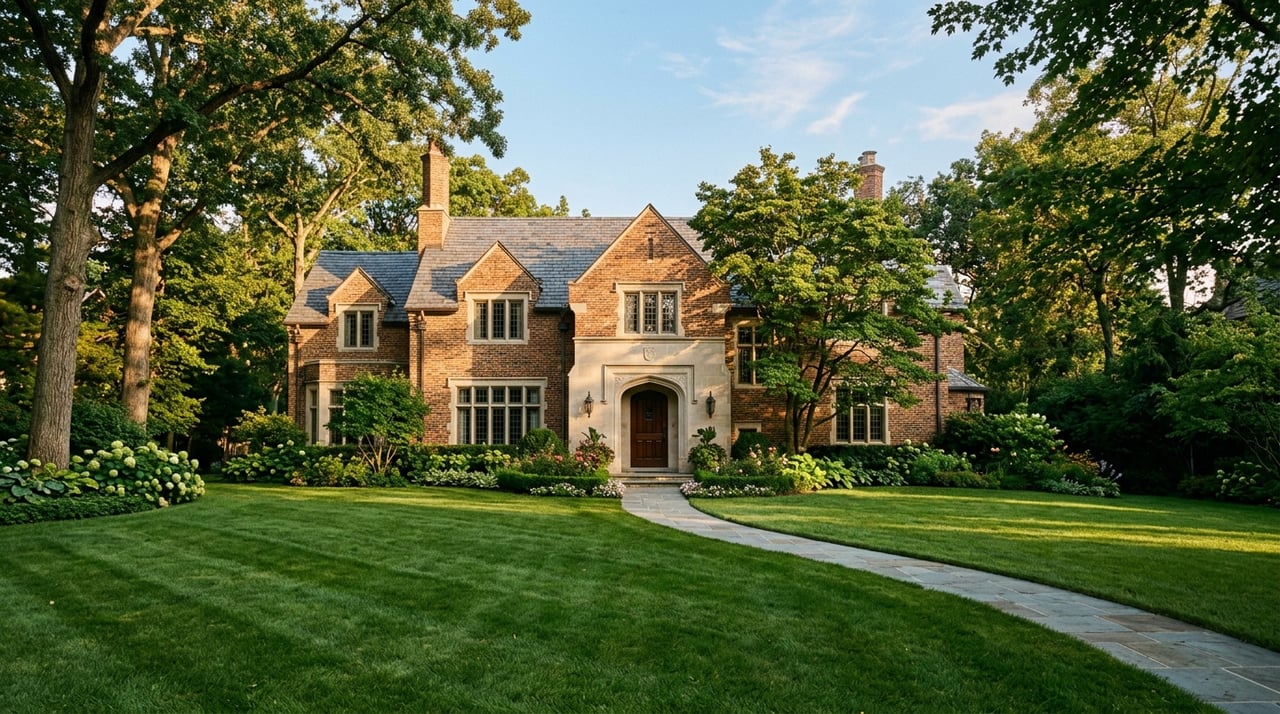
Interior streets in Sequoyah Hills tend to attract buyers who want a more tucked-in residential feel. These blocks often showcase the neighborhood’s range, from early mansions and historic revival styles to postwar cottages, ranches, apartments, and other traditional homes on varied lot sizes.
That variety can be a major advantage if you are buying for character rather than a single type of view. You may find a stronger sense of architectural contrast and more choices in street feel from one block to the next.
Scenic Drive shows the interior-street appeal
Scenic Drive is a strong example of how interior Sequoyah Hills can feel distinct from the river edge. The city identifies Scenic Drive from Kingston Pike to Southgate as a minor collector and a main entrance into the neighborhood, serving Sequoyah Hills Elementary School and the Sequoyah Hills branch library.
The same local guidelines note especially deep setbacks on parts of the street, including stretches on the north side west of Southgate with setbacks ranging from 50 feet to more than 400 feet. That can create an estate-like setting that feels very different from a park-facing corridor.
Interior streets are not all equally quiet
It is easy to assume every interior street will feel calm and low-traffic, but that is not always true. Scenic Drive functions as a collector, and the original subdivision is also known for having few sidewalks.
That means you should evaluate the exact block, not just the broad idea of an “interior street.” Traffic flow, lot openness, and how the street feels on foot can vary quite a bit inside the neighborhood.
Historic guidelines can shape your plans
For buyers who may want to renovate, expand, or make exterior changes, local overlay rules matter. In the Scenic Drive NC-1 district, additions to existing buildings, new construction, and demolition require a Certificate of Appropriateness.
The guidelines also say new work should respect the historic setting, lot coverage, and drainage. If you love the idea of buying a character home and making changes over time, this is worth reviewing before you fall in love with a property.
That does not mean you should avoid these homes. It simply means your long-term plans should match the property’s setting and any applicable review requirements.
How to decide which setting fits you
The right choice usually comes down to how you want to live day to day. In Sequoyah Hills, riverfront and interior streets can both be appealing, but they support different priorities.
Choose riverfront if you want
- Quick access to Sequoyah Hills Park and the greenway
- A routine built around walking, running, biking, or paddling
- Water views or a more open setting
- A location tied closely to recreation and public green space
Choose interior streets if you want
- More privacy on the right block
- Deeper setbacks in some areas
- A stronger historic-street feel
- A broader mix of house ages, lot types, and architectural styles
Think in terms of setting, not just price
One helpful way to frame your search is to think about a setting premium. River-oriented homes often appeal to buyers seeking views, park access, and a more outdoor-centered lifestyle, while interior streets offer a wider spread of housing types and lot character.
That does not mean one option is always more expensive or better. It means the value often comes from what the setting gives you every day, whether that is river access and openness or privacy and architectural variety.
Questions to ask before you buy
Before you choose a riverfront or interior home in Sequoyah Hills, ask a few focused questions about the exact property and block.
- Is the lot in a floodplain or floodway?
- Is the home in the Scenic Drive NC-1 district or another historic or overlay area?
- How much public traffic comes from the park, trail, school, or library nearby?
- What is the setback, and does the street feel open or enclosed?
- Do you plan to build an addition or make exterior changes in the next few years?
These questions can help you move beyond curb appeal and focus on fit. In a neighborhood as layered as Sequoyah Hills, that clarity can make your decision much easier.
The best choice depends on your routine
If your ideal day includes stepping out toward the river, trails, and park space, the riverfront side of Sequoyah Hills may feel like the right match. If you picture a more tucked-away setting with varied architecture, deeper lawns on some blocks, and a stronger interior neighborhood feel, the side streets may suit you better.
The key is to compare homes by block, not just by neighborhood name. Sequoyah Hills rewards buyers who pay attention to how each street actually lives.
If you want help narrowing down the right fit in Sequoyah Hills, Shannon Foster-Boline with Realty Executives Associates can help you compare blocks, lifestyle tradeoffs, and property details with local insight.
FAQs
What is the main difference between riverfront and interior streets in Sequoyah Hills?
- Riverfront areas are tied more closely to park access, greenway use, and river-oriented outdoor living, while interior streets often offer more privacy, varied architecture, and different lot settings depending on the block.
What amenities are near the riverfront in Sequoyah Hills?
- Sequoyah Hills Park includes ballfields, a playground, outdoor fitness equipment, unpaved trails, two water access points to the Tennessee River, and access from the Sequoyah Greenway.
What should buyers check for river-adjacent homes in Sequoyah Hills?
- Buyers should verify the exact property’s floodplain status because Knoxville uses updated flood maps for floodplain regulation and permitting.
What makes interior streets in Sequoyah Hills appealing to buyers?
- Interior streets can appeal to buyers who want a more residential feel, deeper setbacks on some blocks, and a broad mix of home styles ranging from historic homes to postwar houses and apartments.
What should buyers know about Scenic Drive in Sequoyah Hills?
- Scenic Drive is a main entrance corridor and a minor collector that serves nearby public destinations, so buyers should evaluate the exact block for traffic patterns, setbacks, and overall street feel.
Do historic rules affect some Sequoyah Hills homes?
- Yes. In the Scenic Drive NC-1 district, additions, new construction, and demolition require a Certificate of Appropriateness, and proposed work should respect the historic setting, lot coverage, and drainage.