Powell at a Glance
Located in Knox County just north of Knoxville, Powell, Tennessee offers a blend of long-standing residential neighborhoods, remaining rural character, and emerging master-planned development. Positioned between Oak Ridge and Clinton, Powell provides convenient access to Downtown Knoxville, regional employers, and surrounding East Tennessee destinations while maintaining a distinct, community-oriented identity.
With a population approaching 30,000, Powell has evolved from its agricultural roots into one of North Knoxville’s most dynamic growth areas. While farms and larger parcels of land remain part of the landscape, new residential communities continue to expand—driven by affordability, accessibility, and demand for space.
History & Community Identity
Powell’s history dates back to early settlement following the Revolutionary War, and the area’s heritage is still reflected in its layout and community culture today. The Powell Station Historical Society preserves this history, honoring the town’s agricultural beginnings and long-standing family presence.
Despite growth, Powell retains a strong local identity. Residents often describe the area as grounded and familiar, with an emphasis on supporting local businesses and maintaining a close-knit feel even as development increases.
Location & Accessibility
Powell’s location makes it especially appealing for buyers who want proximity without congestion. Downtown Knoxville is typically reachable within 15 minutes, McGhee Tyson Airport is approximately 25 minutes away, and Oak Ridge is easily accessible. The Great Smoky Mountains National Park is also within about an hour’s drive.
This connectivity supports both daily commuting and weekend travel while allowing Powell to remain more residential than central Knoxville neighborhoods.
Homes & Development Patterns
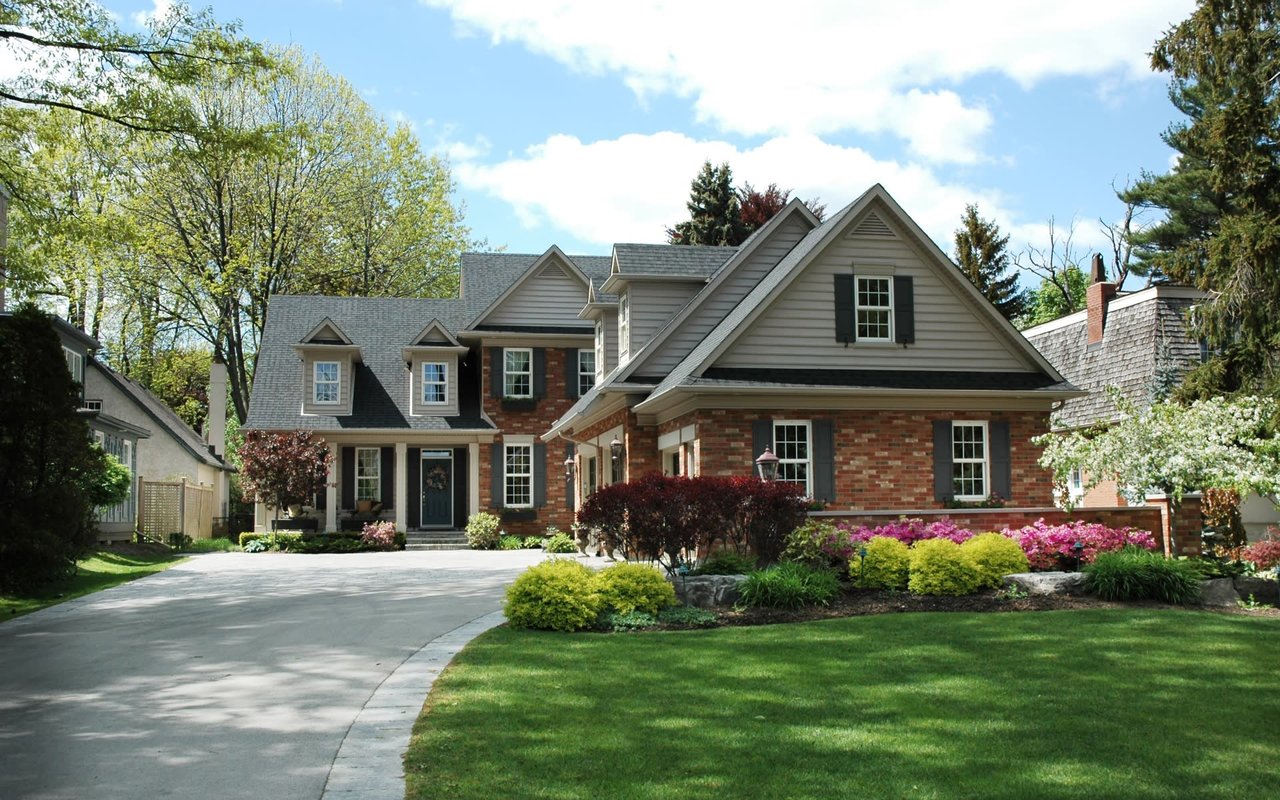
Housing in Powell spans multiple eras and styles. Established neighborhoods feature homes built from the 1970s through the early 2000s, offering larger lots and mature landscaping. Newer developments—including large-scale master-planned communities—are reshaping parts of the area with modern layouts, amenities, and mixed-use components.
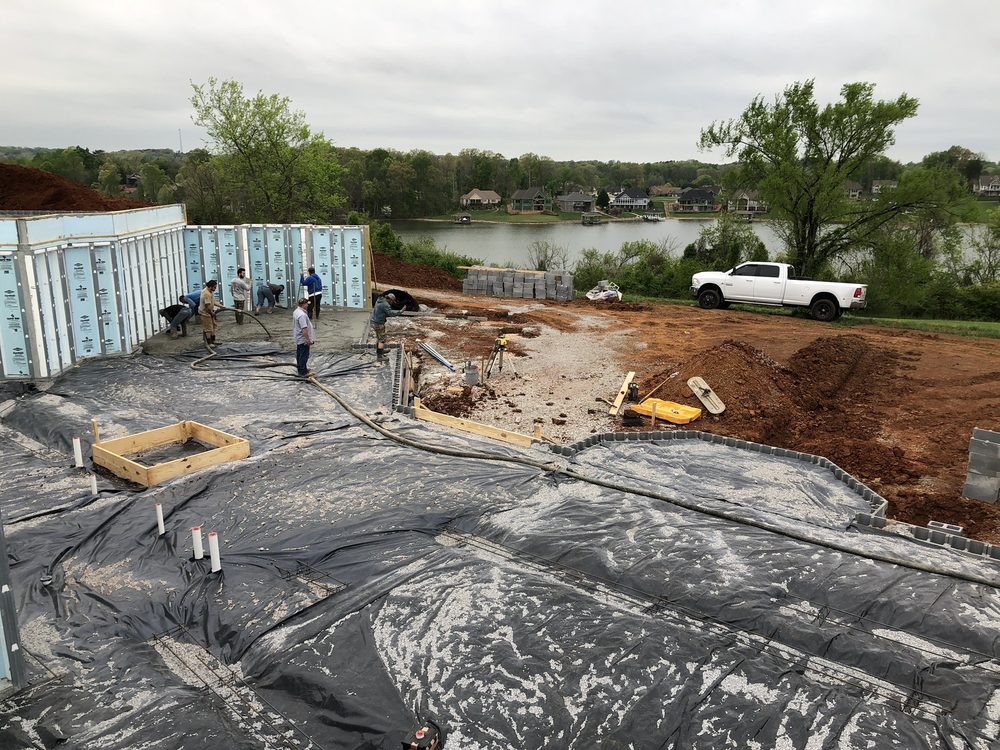
One of the most notable additions is Belltown, a master-planned community that goes beyond traditional subdivision design. With residential options, planned commercial spaces, and community amenities, Belltown represents a significant shift in how Powell is growing and will warrant its own dedicated neighborhood guide.
Featured Neighborhoods in Powell
Belltown
A large-scale master-planned community combining residential neighborhoods, amenities, and future commercial development. Belltown is reshaping Powell’s growth trajectory and appeals to buyers seeking new construction at accessible price points.
Broadacres
One of Powell’s oldest and largest subdivisions, known for its variety of home styles built primarily from the 1970s through the early 2000s.
Beechwood Estates
An established residential neighborhood offering traditional homes and a quieter, suburban setting.
Barrington
A well-known Powell community featuring larger homes and a cohesive neighborhood layout.
Arlington Ridge
A newer residential development offering modern home designs and proximity to North Knoxville conveniences.
Collier Ridge
A residential neighborhood providing a mix of home styles and accessibility within Powell.
Schools & Everyday Living
Powell is served by Knox County Schools, including Powell High School, Powell Middle School, Powell Elementary, Brickey-McCloud Elementary, and Copper Ridge Elementary. Several private school options are also within reasonable driving distance, making the area flexible for families with different educational preferences.
Daily conveniences—including grocery stores, local shops, dining, and services—are readily accessible, reinforcing Powell’s reputation as a self-sufficient community within the Knoxville metro area.
Who Powell Is Best Suited For
Powell tends to attract buyers who:
-
Want more space and affordability compared to central Knoxville
-
Appreciate a mix of established neighborhoods and new construction
-
Value proximity to Knoxville and Oak Ridge without heavy urban density
-
Are interested in master-planned communities alongside traditional subdivisions
-
Prefer long-term livability over trend-driven development
Buyers seeking walkable urban cores or high-density downtown living may find other areas of Knoxville better aligned with their goals.
Exploring Powell Real Estate
Powell’s continued growth, combined with its established neighborhoods, makes it one of North Knoxville’s most flexible residential markets. Understanding the differences between its traditional subdivisions and emerging master-planned communities is key to finding the right fit.