Thinking about buying a historic home in Parkridge? You are not alone. For many Knoxville buyers, Parkridge stands out because it offers real architectural character, a close-in location, and a wider mix of home styles than you will find in some other historic neighborhoods. If you want charm without walking into the process blind, it helps to understand what makes this area different, what local historic rules actually mean, and where to focus your budget before you buy. Let’s dive in.
Why Parkridge Appeals to Historic-Home Buyers
Parkridge is part of the larger Park City and Edgewood-Park City historic area, which Knoxville planning materials describe as an early streetcar suburb that grew after the 1890 streetcar extension along Park Avenue, now Magnolia Avenue. The area was later annexed in 1917, and planning materials describe Parkridge as the most intact portion of old Park City. You can see that layered history in the homes themselves.
The National Register listing for Park City Historic District dates to October 25, 1990, with periods of significance spanning 1875 to 1949. In practical terms, that means you are shopping in a neighborhood shaped over decades, not built all at once. That gives you more variety, but it also means condition, updates, and renovation quality can vary a lot from one house to the next.
What Styles You Will See in Parkridge
One of Parkridge’s biggest draws is its architectural range. If you love historic homes but do not want every block to feel exactly the same, that variety can be a real advantage.
Queen Anne and Barber Influence
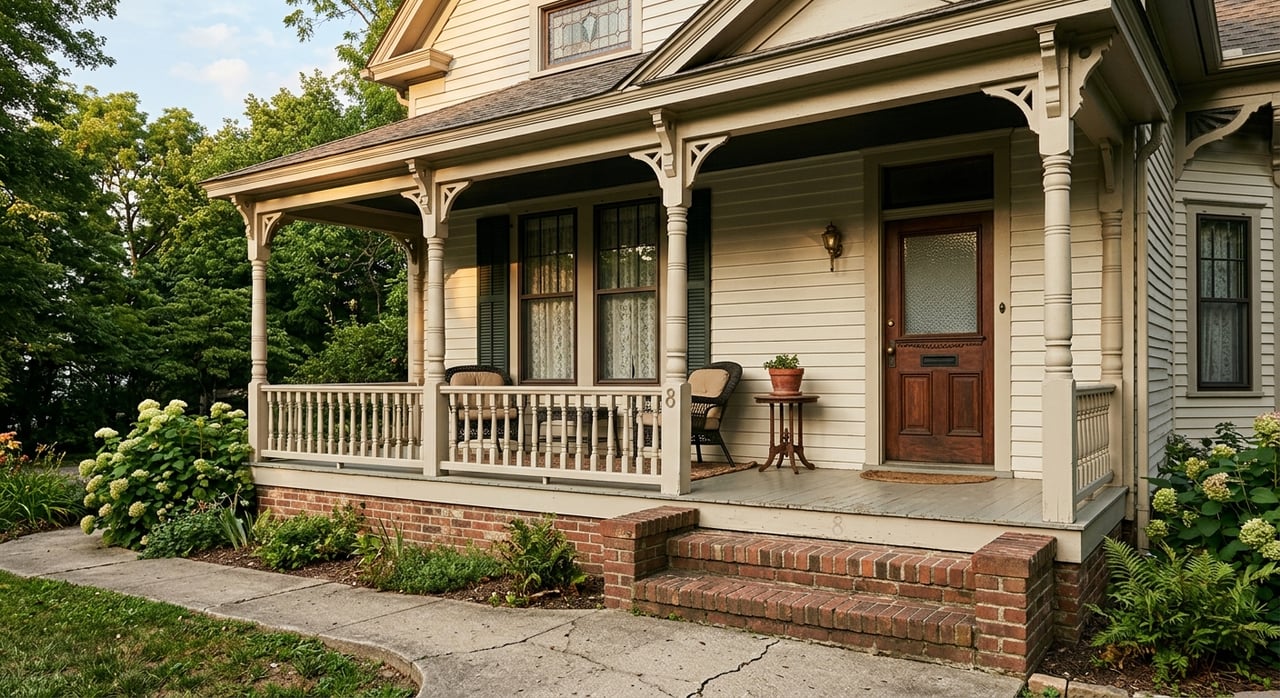
Parkridge is well known for its George F. Barber-associated homes and related Victorian-era details. According to Knoxville’s Edgewood-Park City design guidelines, buyers will often see asymmetrical forms, porches, bays, turrets, ornamental shingles, and detailed millwork.
These are often the homes that first catch your eye online. They tend to deliver the storybook character many buyers imagine when they think about historic Knoxville real estate.
Craftsman and Bungalows
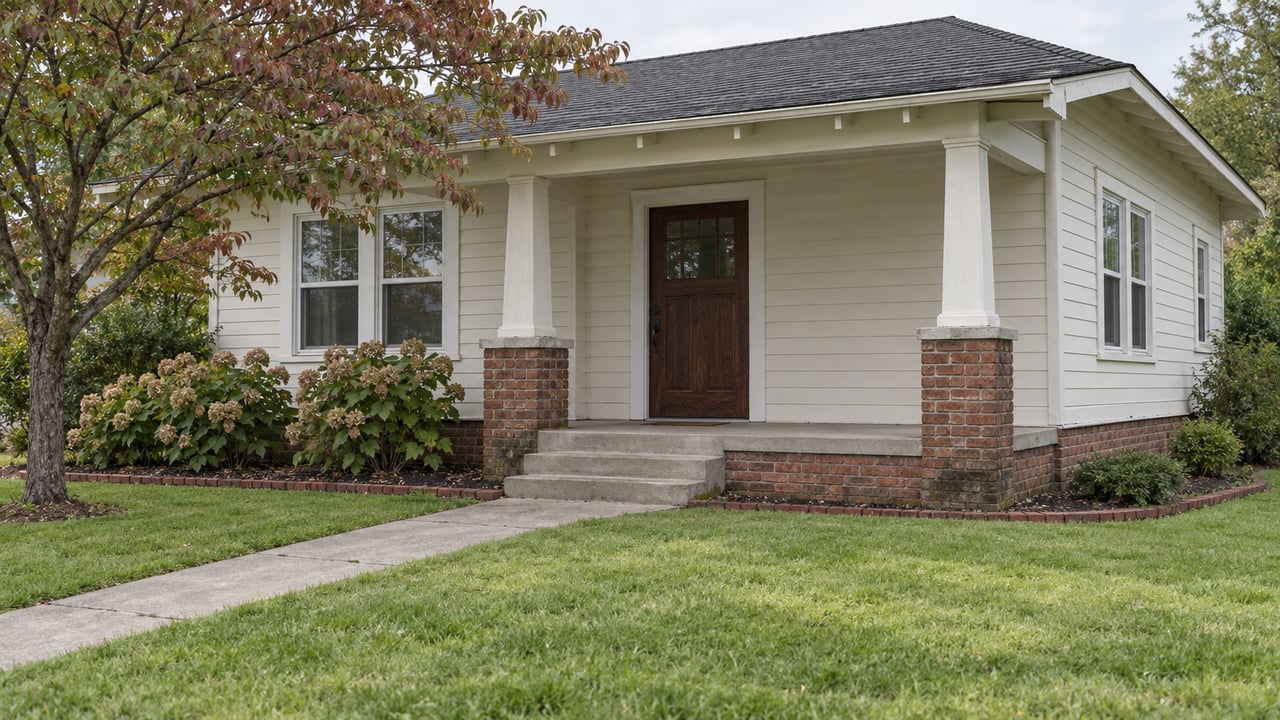
Later development brought more Craftsman and bungalow homes into the neighborhood. Knoxville planning materials on historic architectural styles note common features such as low-pitched roofs, wide eaves, exposed rafters, large front porches, and square or battered porch columns.
If you prefer a simpler exterior with strong curb appeal and practical layouts, this style may be especially appealing. These homes still carry historic charm, but often with a different feel than the earlier Victorian stock.
Tudor Revival and Colonial Revival
Parkridge did not stop evolving after its first growth period. The National Register record identifies Tudor Revival as one of the district’s key styles, and the neighborhood’s broader development history shows that architectural character expanded in the 1910s and 1920s.
That mix is part of what makes Parkridge distinct. You are not limited to one narrow design era, which can open up more options as you compare homes.
What Historic Status Means for Buyers
One of the biggest misconceptions about historic neighborhoods is that the rules come from the National Register itself. That is not the full picture.
According to the Tennessee Historical Commission’s National Register FAQ, National Register status is honorary. By itself, it does not require public access, force maintenance, or automatically restrict what an owner can do.
In Parkridge, the real day-to-day rules come from Knoxville’s local historic overlay. That is an important difference if you are planning repairs, updates, or an addition after closing.
How the COA Process Works in Parkridge
If you buy in the local historic overlay, exterior changes generally require a Certificate of Appropriateness, or COA, along with any needed building permit. The current Edgewood-Park City guidelines apply this process to all properties in the overlay, whether they are contributing or non-contributing.
Here is the simple version:
- Exterior work generally requires COA review
- A COA must be approved before a building permit is issued
- Interior changes are generally not reviewed
- Landscaping and painting non-masonry items generally do not require review
- An approved COA is valid for 36 months
For larger or more complex projects, Knoxville planning staff recommends early coordination and offers a free pre-application review. If you are considering a major exterior update, that step can help you understand the path forward before you commit to a budget.
What to Check Before You Buy
Buying a historic home is not just about charm. It is also about knowing which features matter most to condition, cost, and future approvals.
Roof Shape and Materials
The local guidelines place strong emphasis on preserving original roof shape and pitch. That means the roof is not just a maintenance item. It is also part of the home’s historic character.
When you tour homes, look beyond whether the roof is simply old or new. Pay attention to whether its form appears intact and whether previous changes look compatible with the house.
Front Porches
In Parkridge, porches are often central to the home’s appearance. The guidelines emphasize preserving and repairing porches, which means missing columns, altered railings, or enclosed front porches can affect both your renovation costs and your options later.
If a porch has already been changed, ask your inspector and your agent to help you identify what appears original, what has been replaced, and what may need review if you want to restore it.
Windows
Windows are another major item. According to the local guidelines, replacement windows should match original size, muntin pattern, profile, and operation type when approved.
That matters because window decisions in a historic district are rarely just about energy efficiency or style preference. Historic windows are often worth repairing, and replacement choices may be more limited than they would be in a non-historic neighborhood.
Additions and Past Alterations
The guidelines also note that additions should usually be placed toward the rear or on less visible sides of the home. Larger-than-original additions are discouraged, especially when they compete with the original historic form.
As a buyer, pay close attention to prior alterations. The closer a change is to the street-facing historic fabric, the more scrutiny it may receive if you want to revise it later.
How to Budget for a Parkridge Purchase
A smart way to approach a Parkridge home is to separate cosmetic updates from preservation-sensitive exterior work. That is not a formal cost study, but it follows directly from the district guidelines, which give special attention to roofs, porches, windows, and additions.
For example, painting a room or updating a kitchen layout may be a very different planning exercise than replacing porch elements or changing exterior windows. One affects daily livability. The other may involve review for compatibility with the district.
Before you make an offer, consider building your budget around these questions:
- What exterior features appear original or character-defining?
- What repairs look urgent versus optional?
- Which updates are interior only?
- Which future plans may require COA review?
- Would a free pre-application review help clarify a larger project?
That kind of planning can help you avoid buying a home based on renovation assumptions that do not fit the neighborhood rules.
Parkridge Market Context
Historic charm is only part of the buying decision. Market conditions matter too.
Recent market trackers cited in the research place Parkridge values in the mid-$250,000 range. Redfin reported a February 2026 median sale price of $250,000, while Zillow reported an average home value of $256,999 and just 7 homes for sale in late February 2026.
Taken together, those figures suggest a neighborhood that may still feel relatively approachable on price compared with some other historic areas, while also offering limited inventory. For buyers, that can mean well-kept or thoughtfully updated homes attract strong attention when they hit the market.
How Parkridge Compares to Other Historic Areas
If you are deciding between Knoxville historic neighborhoods, Parkridge helps to think in terms of style mix and overall feel.
Parkridge vs. Fourth & Gill
According to Knoxville’s Fourth & Gill historic guidelines, Fourth & Gill is smaller and more compact, with a strong Queen Anne and Craftsman identity. Its housing stock was built mostly between about 1880 and 1930, which gives it a more concentrated late-Victorian-to-early-20th-century character.
Parkridge, by comparison, offers broader style variety and a more mixed-era feel. If you want more architectural range, Parkridge may give you more options.
Parkridge vs. Island Home
The Island Home historic district documentation describes a smaller district with strong Bungalow and Craftsman character, along with Tudor and Colonial Revival details. Relative to Island Home, Parkridge has a stronger Queen Anne and Barber legacy and a wider mix of forms.
In simple terms, Parkridge tends to fit buyers who want historic character plus more variety in style. That said, variety also means you need to evaluate each property carefully rather than assuming every house presents the same ownership experience.
Is a Historic Home in Parkridge Right for You?
A Parkridge home can be a great fit if you value architecture, front-porch character, and the kind of neighborhood story that newer construction cannot replicate. It can also be a smart choice if you are open to a thoughtful buying process and want to understand how condition, updates, and local review rules affect long-term plans.
The key is buying with clarity. When you understand the home’s style, exterior condition, and likely renovation path before you close, you can move forward with much more confidence.
If you are exploring Parkridge or comparing Knoxville’s historic neighborhoods, Shannon Foster-Boline with Realty Executives Associates can help you evaluate homes, understand the local context, and build a smart plan around your goals.
FAQs
What makes Parkridge historic homes different from newer Knoxville homes?
- Parkridge homes reflect several decades of development, with styles that include Queen Anne, Craftsman, Tudor Revival, and Colonial Revival, so you will often see more architectural detail and more variation from house to house.
Does National Register status restrict changes to a Parkridge home?
- No. According to the Tennessee Historical Commission, National Register status is honorary, while local exterior review in Parkridge comes from Knoxville’s historic overlay rules.
What exterior projects usually need review in Parkridge?
- Exterior work generally requires a Certificate of Appropriateness, while interior changes are generally not reviewed and landscaping plus painting non-masonry items generally do not require review.
What should buyers inspect closely in a Parkridge historic home?
- Focus on roof shape and condition, porch details, windows, and any additions or prior alterations, because those features are strongly tied to both historic character and future renovation planning.
How is Parkridge different from Fourth & Gill or Island Home?
- Parkridge generally offers more architectural variety across multiple eras, while Fourth & Gill feels more compact and Victorian-heavy and Island Home is more bungalow-centered.
Is Parkridge still an approachable price point for historic-home buyers?
- Recent market data in the research places Parkridge values in the mid-$250,000 range, though limited inventory means buyers should be prepared for competition on appealing homes.