Looking for a mid-century ranch in West Knoxville can feel simple at first, until you realize not every one-story home from that era offers the same character, condition, or setting. If you love clean lines, big picture windows, and the easy flow of one-level living, you likely want more than just a house style. You want a home with lasting design appeal and a neighborhood that still feels connected to how you live today. Let’s dive in.
Why West Knoxville Has So Many Ranch Homes
West Knoxville’s ranch homes grew out of Knoxville’s post-World War II expansion. According to the City of Knoxville’s historic survey, strong housing demand, federal assistance programs, and improved highway access pushed development outward and helped ranch and split-level homes become the dominant forms by the early 1950s.
That growth pattern matters if you are house hunting today. It means many of West Knoxville’s established neighborhoods were built during the exact period when ranch design was at its peak. As a result, you can still find homes here that reflect the practical, design-forward approach that defined that era.
By the mid-1960s, Knoxville had expanded in all directions, and the city survey notes that ranch and related house forms made up the vast majority of homes built from 1936 to 1966. In other words, West Knoxville is not just a place where ranch homes happen to exist. It is one of the clearest local expressions of that whole postwar housing movement.
Start Your Search in West Hills
If you are serious about finding a mid-century ranch home in West Knoxville, West Hills is the natural place to begin. It is closely tied to Knoxville’s postwar suburban story and remains one of the west side’s most recognizable ranch-era neighborhoods.
A Knoxville News Sentinel profile described West Hills in the 1950s as feeling almost rural, even though it was only a few miles from downtown by way of Kingston Pike. That mix of space, access, and suburban identity helped make it a landmark in Knoxville’s westward growth.
For design-minded buyers, West Hills also offers a memorable architectural anchor. The Hotpoint Living-Conditioned House at 509 West Hills Road, designed by Bruce McCarty in 1954, was created as a demonstration of affordable, all-electric middle-class housing. The city survey notes that its glass walls connected the interior to the landscape, which captures a key idea behind many mid-century homes in the area.
That does not mean every home in West Hills is a perfect untouched example. It does mean the neighborhood gives you one of the strongest chances to find ranch homes where the setting, scale, and architectural roots still line up.
What a West Knoxville Ranch Looks Like
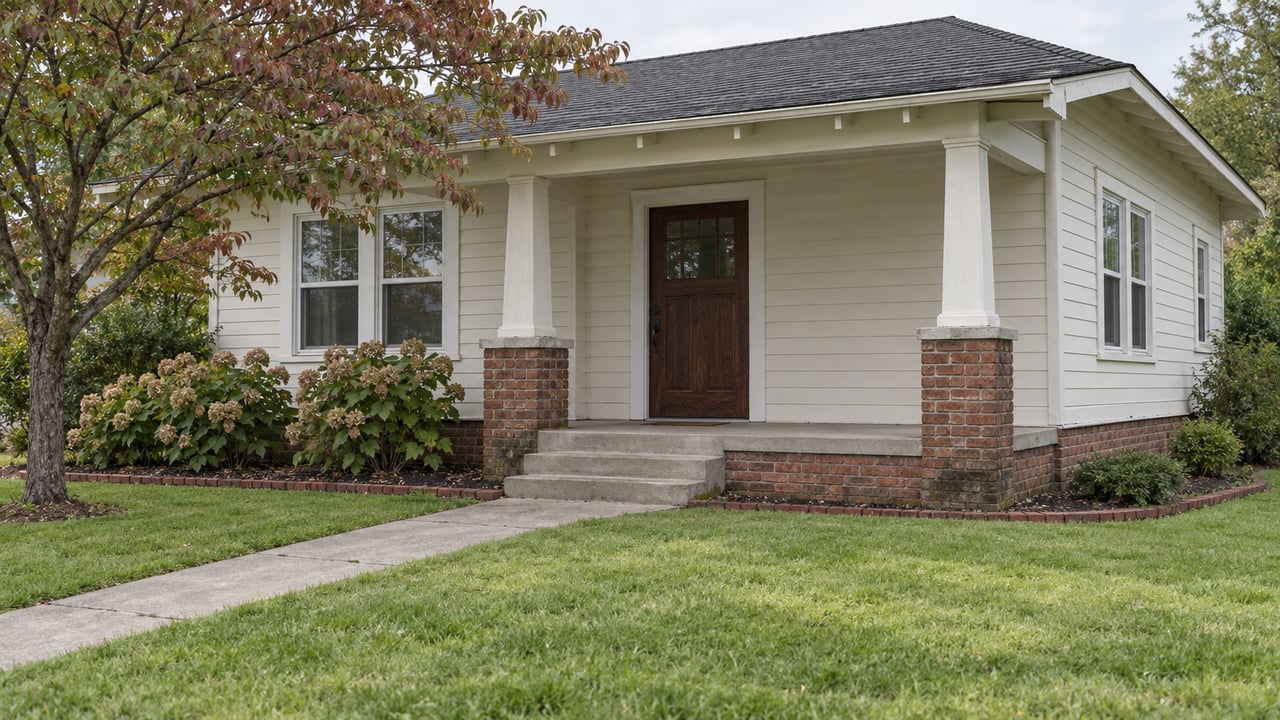
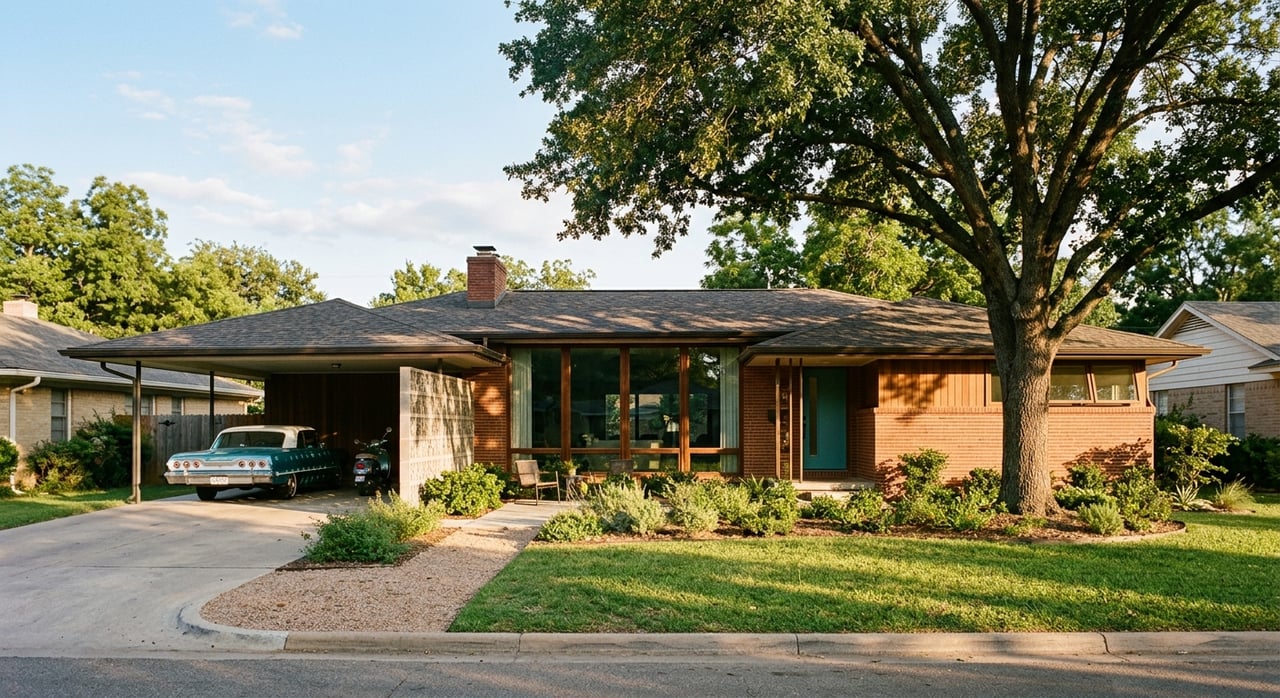
A typical Knoxville ranch house is defined by its low, horizontal profile and simple detailing. The city’s planning materials describe ranch homes as one-story forms with wide eaves, low-pitched roofs, picture windows, and exterior materials like brick, stone veneer, or wood siding.
Many also include attached garages or carports, which reflected the suburban lifestyle of the time. Inside, these homes often feel more open than earlier house types, with living, dining, and kitchen spaces that connect more easily. Patios and backyards were also central to how the homes were designed to be used.
The same survey identifies common character-defining features such as rectangular massing, large chimneys, horizontal emphasis, and picture windows. It also notes that Knoxville ranch homes can show up in several subtypes, including inline, composite, and courtyard ranches.
In West Hills especially, local details can give these homes extra personality. Reported features have included thin brick, hardwood floors, aluminum-frame windows, colorful tile bathrooms, large chimneys, and occasional walls of glass or other modernist touches.
Features Worth Watching For
If you want a ranch home with authentic mid-century character, it helps to know what to look for before you tour. Some features signal a stronger connection to the original design, while others suggest heavier alteration over time.
Here are a few details that often stand out in West Knoxville ranch homes:
- Low-pitched rooflines
- Wide overhanging eaves
- Large picture windows
- Brick or stone exterior elements
- Original hardwood flooring
- Carports or attached garages
- Large chimneys
- Patio or backyard connections
- Open living and dining flow
- Mid-century tile or original built-ins
You may not find every feature in one home, and that is normal. The goal is to understand which elements matter most to you so you can tell the difference between a house with preserved character and one that has lost much of its original look.
Why Some Ranch Homes Feel More Original
Not all mid-century ranch homes in West Knoxville will feel the same, even if they were built around the same time. The Knoxville historic survey points to several common changes in older ranches, including vinyl replacement windows, vinyl or aluminum siding, deck additions, and enclosed porches.
Those updates can change the look and feel of a home in a big way. A ranch with original window patterns, visible masonry, and a clear indoor-outdoor connection will usually read very differently from one that has had multiple exterior changes.
That is not always a bad thing. Some buyers prefer homes with more updates already completed, while others want a closer-to-original property they can improve carefully over time. Knowing the difference helps you search with clearer expectations.
Other West Knoxville Areas to Consider
West Hills should lead your search, but it does not have to be your only focus. The broader west side grew from the same postwar housing boom, which helps explain why ranch and split-level homes appear in multiple established areas.
The city survey specifically points to Cumberland Estates as part of that suburban development pattern. If your goal is to widen your search for one-level homes from the same general era, that area may be worth watching.
Rocky Hill can also make sense if you want West Knoxville convenience along with mature trees, larger yards, and access to parks, shopping, downtown, and major highways. It works especially well for buyers who like the West Knoxville lifestyle but are not limiting themselves to only the most original ranch inventory.
Why Ranch Homes Still Work Today
One reason buyers continue to seek out ranch homes is that the layout still fits modern living. One-level design can feel practical, comfortable, and easy to navigate, while the larger lots common in postwar neighborhoods can offer room to spread out.
These homes also tend to support a strong connection between inside and outside spaces. Picture windows, patios, and backyard access were part of the original design logic, and those features still appeal to buyers who want natural light and usable outdoor areas.
In West Knoxville, that combination is especially appealing. You get mid-century character, everyday function, and an established suburban setting that still connects well to the rest of the city.
How to Update a Ranch Without Losing Its Character
If you find a home that needs work, thoughtful updates matter. National Park Service guidance recommends retaining important materials, features, and spaces whenever possible, with repair and compatible replacement preferred over sweeping change.
For a ranch home, that usually means respecting the low roofline, long horizontal shape, picture windows, masonry chimney, and the home’s indoor-outdoor relationship. Those features are a big part of what makes the style feel like a ranch in the first place.
Practical improvements can still fit the home well. Kitchen and bath updates, improved lighting, better storage, HVAC upgrades, insulation improvements, and carefully planned additions can all support modern living when they stay visually secondary to the original one-story form.
A Smart Search Strategy for Buyers
If you are searching for a mid-century ranch in West Knoxville, it helps to balance style, condition, and location from the start. A beautiful original bath or dramatic picture window may catch your eye, but you also want to think about layout, lot use, and how much updating you are comfortable taking on.
A focused search can help you move faster when the right home appears. Try to separate your wish list into must-haves, nice-to-haves, and features you could improve later.
A simple starting checklist might include:
- Preferred neighborhood, with West Hills at the top of the list
- Minimum lot size or yard needs
- One-level living requirements
- Degree of original character you want preserved
- Comfort level with renovation or cosmetic updates
- Need for garage or carport
- Access preferences for shopping, parks, or commuting routes
That kind of clarity can keep you from overlooking a strong option or overcommitting to a home that does not really fit your goals.
If you want help narrowing your search for a mid-century ranch in West Knoxville, Shannon Foster-Boline with Realty Executives Associates can help you compare neighborhoods, identify homes with lasting character, and move forward with confidence.
FAQs
Where should you look for mid-century ranch homes in West Knoxville?
- West Hills is the leading area to start with, and other established west-side neighborhoods such as Cumberland Estates may also offer ranch-era homes.
What features define a West Knoxville ranch home?
- Common features include a low, horizontal one-story shape, low-pitched roof, wide eaves, picture windows, brick or stone details, attached garages or carports, and open living spaces.
Why is West Hills important for ranch homes in Knoxville?
- West Hills is strongly connected to Knoxville’s postwar suburban development and includes notable mid-century architecture, including the 1954 Hotpoint Living-Conditioned House.
How can you tell if a mid-century ranch home feels original?
- Homes often feel more original when they retain features like masonry exteriors, original window patterns, large chimneys, hardwood floors, and strong indoor-outdoor design connections.
Can you update a West Knoxville ranch home without losing its style?
- Yes. Thoughtful updates that preserve major design features such as the roofline, horizontal shape, picture windows, and overall one-story form can support modern living while maintaining character.