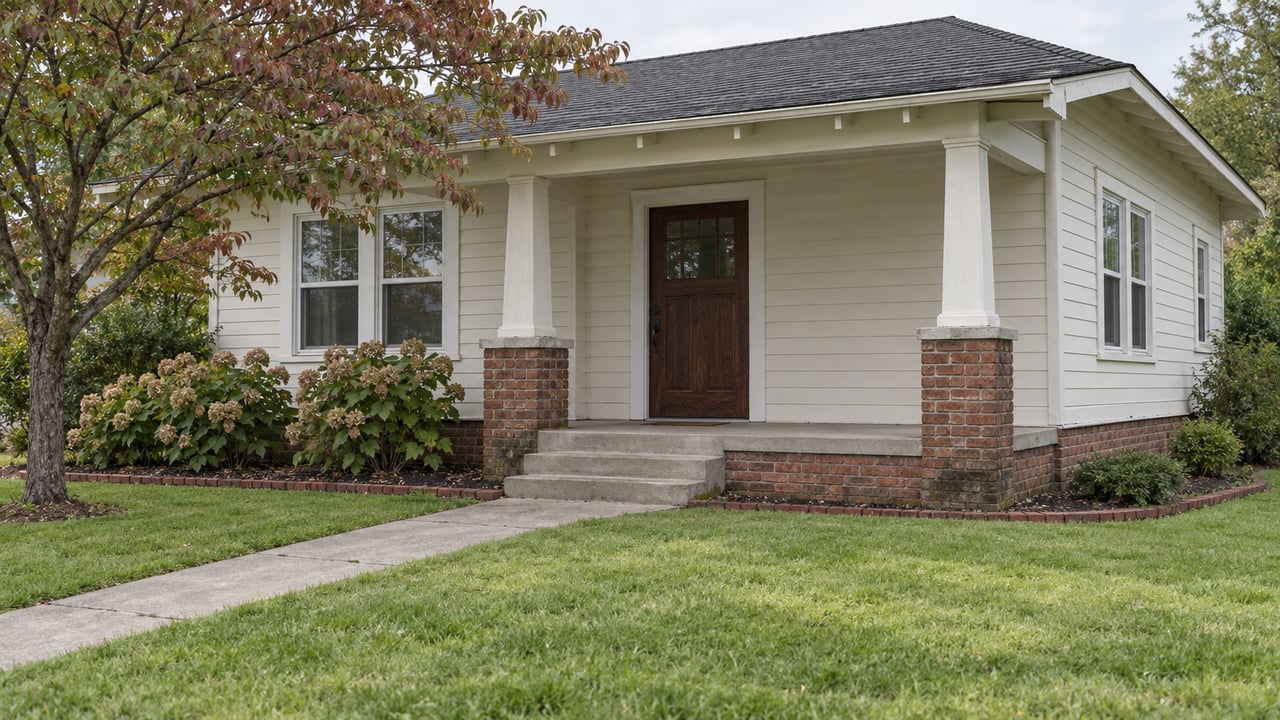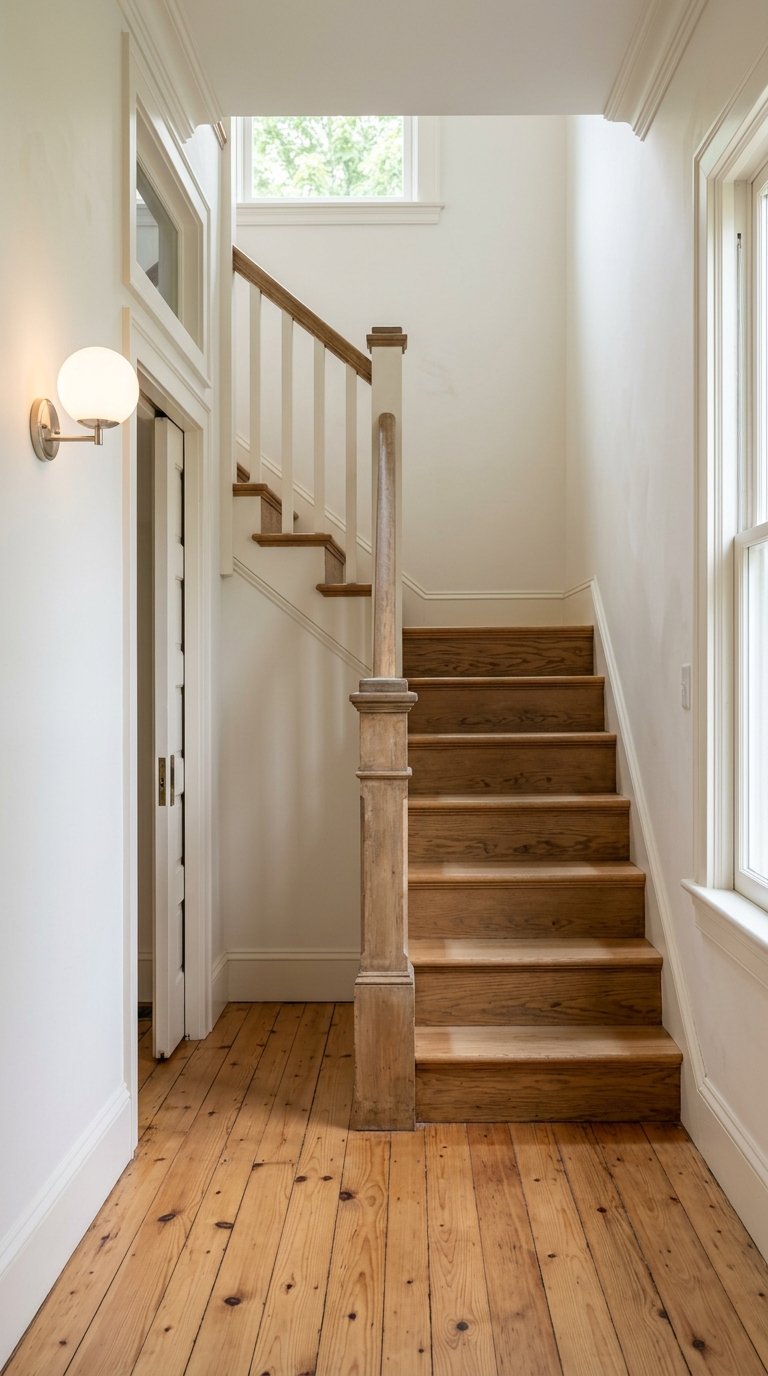
Thinking about buying and renovating in Fourth and Gill? It is easy to fall for the big porches, intricate trim, and classic Craftsman and Queen Anne details. It is also easy to underestimate what it takes to update a historic home the right way. If you want to understand where the surprises are, where the value is, and how to plan wisely in this Knoxville historic district, this guide will walk you through it. Let’s dive in.
Why Fourth and Gill draws buyers
Fourth and Gill is a roughly 72-acre historic district about one mile north of downtown Knoxville, with roots as a tree-lined streetcar suburb. According to the National Register nomination, the district includes 282 residences, plus one school and three churches, and nearly all of the homes were built by 1930.
That age and design consistency are a big part of the appeal. The neighborhood is known for frame houses with large porches, complex rooflines, and strong examples of Queen Anne and Craftsman architecture, as outlined in the Fourth and Gill design guidelines.
You also get a pedestrian-oriented setting with sidewalks, mature trees, and a neighborhood park at 808 Eleanor Street, according to the Fourth and Gill neighborhood association. Lot sizes can vary quite a bit, though, so one block may feel very different from the next.
Why renovation looks different here
In Fourth and Gill, renovation is not just about taste or budget. It is also about historic character, visible exterior details, and local review requirements.
The biggest thing to understand is that the local historic overlay governs exterior work that needs a permit. The city notes in the historic district guidelines that exterior renovations are reviewed to avoid harming historic appearance, while interior changes not visible from the street generally do not need Historic Zoning Commission approval.
That distinction matters. You may be free to rethink the inside layout or modernize finishes, but once your project changes what people see from the street, the process becomes more structured.
National Register vs. local overlay
This is one of the most common points of confusion for buyers. A home being listed on the National Register does not automatically mean every private project is reviewed.
What matters in Fourth and Gill is the local overlay. The city explains that privately funded work on National Register properties is not subject to review for that reason alone, but the neighborhood’s local historic rules still apply to permitted exterior work in the district.
Contributing and noncontributing homes
Before you make plans, confirm whether the property is contributing or noncontributing within the district. According to Knoxville historic review information, noncontributing properties are reviewed with more flexibility, though exterior work on both still matters.
That does not mean one type is easy and the other is hard. It means your renovation options, timelines, and approval path may differ depending on the property.
The biggest renovation pressure points
Older homes in Fourth and Gill can be deeply rewarding, but they also tend to concentrate costs in a few predictable places. Not surprisingly, these are the same areas the design guidelines address most closely.
Roofs and gutters
Rooflines are a defining feature of many homes in the district. The guidelines recommend preserving roof shapes and repairing details when possible, while avoiding visible skylights or solar collectors on street-facing roof planes.
For buyers, that means roofing work can be more than a simple replacement decision. Material choices, visibility, and architectural detail all matter.
Windows
Original windows are strongly preferred in the district, and vinyl or aluminum replacement windows are discouraged under the local guidelines. If replacement is necessary, the new windows should match the original size and profile.
This is where budget expectations can shift quickly. Restoring or carefully matching historic windows is often more involved than installing standard replacements.
Porches
Porches are one of the neighborhood’s signature features, and they carry real historic value. The guidelines say visible porches should not be fully enclosed, and repairs should recreate original wood floors, posts, railings, and columns where possible.
If you are looking at a house with porch wear, assume you need a closer inspection. What looks cosmetic at first glance can turn into a larger carpentry or structural job.
Siding and trim
Historic siding and decorative trim are part of what give Fourth and Gill homes their identity. The guidelines recommend that replacement siding duplicate the original and discourage synthetic siding on historic houses.
That can mean more care, more craftsmanship, and often more cost. It can also mean a much better long-term result when the work respects the original design.
Additions and outbuildings
If you are dreaming of expanding the house, the rules are important to understand early. Additions should be placed at the rear or on an inconspicuous side and should remain subordinate to the historic structure.
New garages and outbuildings should read as simple rear-lot structures, not dominate the property. In practical terms, your lot shape, alley access, and existing footprint all affect what is realistic.
Parking, fences, and landscaping
Fourth and Gill was built for walking, not wide suburban driveways. The design guidelines say curb cuts should be minimized, alley access is preferred, and front-yard parking is discouraged.
The neighborhood association also notes that street parking is normal and Knoxville parking ordinances are enforced. If off-street parking is a must-have for you, verify the setup before you buy.
Mechanical systems
Modern comfort still matters, but visible equipment should be screened or placed where it cannot be seen from public rights of way. That includes HVAC units, meters, window units, solar collectors, and satellite dishes.
This is one reason buyers often pay more for homes that already have system upgrades in place. Good updates are not just functional. In this district, they also need to work visually.
What buyers tend to reward
In Fourth and Gill, the market often favors homes that preserve original character while updating the parts you do not necessarily see. Based on recent renovated sales in the district, buyers appear willing to pay for restored architectural detail paired with improved kitchens, baths, HVAC, and electrical systems.
Examples in the research include 1112 Gratz, a fully restored 1920 Craftsman with a new kitchen and modern systems, 918 Luttrell with updated kitchen and bath spaces plus new HVAC and electrical work, and 1015 Luttrell with restored vintage details, an updated kitchen, and a detached garage with a potting room.
The takeaway is simple: character sells, but usable systems matter just as much. A beautiful old house with unresolved water, electrical, or mechanical issues may not compete the same way as one that blends period detail with behind-the-scenes improvements.
What the price spread tells you
Fourth and Gill inventory is tight. A recent Redfin neighborhood snapshot showed just five homes for sale, while a Realtor.com neighborhood page showed four active listings and a median of 73 days on market.
That low supply makes each listing feel important, especially for buyers who want a move-in-ready historic home. It also helps explain why pricing can stretch from the mid-hundreds into seven figures depending on restoration quality, scale, and location within the district.
Recent examples cited in the research ranged from $525,000 for 1112 Gratz to $1.11 million for 1015 Luttrell. Based on that sample, renovated homes often land in the mid-$500,000s to $700,000-plus range, while larger or especially restored properties can go well above $1 million.
For wider context, Knoxville overall was described as a balanced market with about 2.6K homes for sale, a median sale price of $429.9K, and 57 median days on market. Fourth and Gill operates on a much smaller stage, so competition can feel tighter even when the broader market is more balanced.
How to buy with a renovation plan
If you want a Fourth and Gill home, your offer strategy should match the reality of older housing stock. A fast, clean offer matters, but so does leaving yourself room to investigate the property properly.
A practical path starts with pre-approval. Realtor.com notes that a pre-approval letter can strengthen your offer, which matters in a neighborhood with limited inventory.
Protect your inspection window
The inspection period is where a smart renovation plan begins. The CFPB notes that if your contract includes a satisfactory inspection contingency and the inspection uncovers unacceptable issues, you may be able to cancel without penalty.
That window is also when you should decide what kind of project you are really buying:
- A cosmetic project
- A systems project
- A structural project
In Fourth and Gill, pay especially close attention to:
- Roof and gutter condition
- Window condition and replacement history
- Porch structure and wood components
- Siding and trim integrity
- Drainage and moisture around foundations
- Additions or exterior changes that may affect future plans
- Placement of HVAC and other visible mechanical equipment
Understand what “as-is” means
If a home is sold as-is, that does not mean you cannot inspect it. The NAR consumer guide referenced in the research via Realtor.com notes that as-is means the seller is not promising repairs.
You can still use your findings to request repairs or a credit, depending on the contract terms and the seller’s position. That can be especially useful if you uncover major system concerns that affect your budget after closing.
Line up contractors before closing
Historic-home work moves more smoothly when you start planning early. Tennessee’s consumer contractor tips recommend checking license status, getting more than one estimate, using a written contract, confirming permits, and verifying who will perform the work.
The state also notes that in Knox County, a home-improvement contractor license is required for projects from $3,000 to $24,999, while a contractor license is required at $25,000 or more. Plumbing and electrical work may require separate licensure, and down payments over one-third of the total contract are prohibited.
A smart renovation sequence
When you own an older home, it is tempting to start with the fun updates. In most cases, the safer sequence is less glamorous.
Start with structure and water management first. Then move to mechanical systems. Save cosmetic finishes for later, once you know the house is dry, stable, and functioning the way it should.
If your plans include exterior changes, build in time for Certificate of Appropriateness review before you rely on a renovation calendar. Some simpler compliant work may be approved by staff, while additions, demolition, and infill typically require commission review under the city’s process.
The reward of getting it right
Fourth and Gill is not the kind of neighborhood where a historic renovation should be approached casually. But if you value architecture, walkability, and real neighborhood character, the payoff can be substantial.
When you buy thoughtfully, inspect carefully, and plan improvements around the district’s guidelines, you can end up with something hard to replicate: a home with authentic Knoxville history and modern livability. If you want help evaluating a Fourth and Gill opportunity or building a realistic buying strategy, connect with Shannon Foster-Boline with Realty Executives Associates for a neighborhood consultation.
FAQs
What makes Fourth and Gill homes unique in Knoxville?
- Fourth and Gill homes are known for late-19th- and early-20th-century architecture, especially Queen Anne and Craftsman styles, with large porches, detailed trim, and historic character about one mile from downtown Knoxville.
Do Fourth and Gill exterior renovations need approval?
- Exterior changes that require a permit are generally subject to the local historic overlay review process, while many interior changes not visible from the street typically do not need Historic Zoning Commission approval.
What should buyers inspect first in a Fourth and Gill historic home?
- Buyers should pay close attention to the roof, gutters, windows, porches, siding, drainage near the foundation, additions, and mechanical systems during the inspection period.
Are renovated Fourth and Gill homes more expensive?
- Recent sales suggest that updated, move-in-ready homes with preserved historic detail and modern systems often command higher prices than homes needing major work, though pricing varies by size, condition, and restoration quality.
Can you add parking or build an addition in Fourth and Gill?
- Possibly, but the historic guidelines shape what is appropriate. Rear or inconspicuous-side additions are preferred, alley access is favored when available, and front-yard parking is discouraged.
How should you budget for a Fourth and Gill renovation?
- A smart approach is to prioritize structure and water issues first, then mechanical systems, then cosmetic updates, while also leaving time and budget for any required exterior review and permit approvals.