Thinking about buying a historic home in Fourth & Gill? You are not alone, and that is exactly why preparation matters. In a neighborhood known for architectural character, limited inventory, and preservation standards, the right house can attract fast interest. This guide will help you understand how to compete wisely, what to look for before you offer, and how to move forward with confidence. Let’s dive in.
Why Fourth & Gill Draws Buyers
Fourth & Gill is not simply a neighborhood with older homes. It is a locally regulated historic district of about 72 acres with more than 280 residential structures, along with one school and three churches. Knoxville planning materials describe it as a strong example of a late-19th- and early-20th-century streetcar suburb.
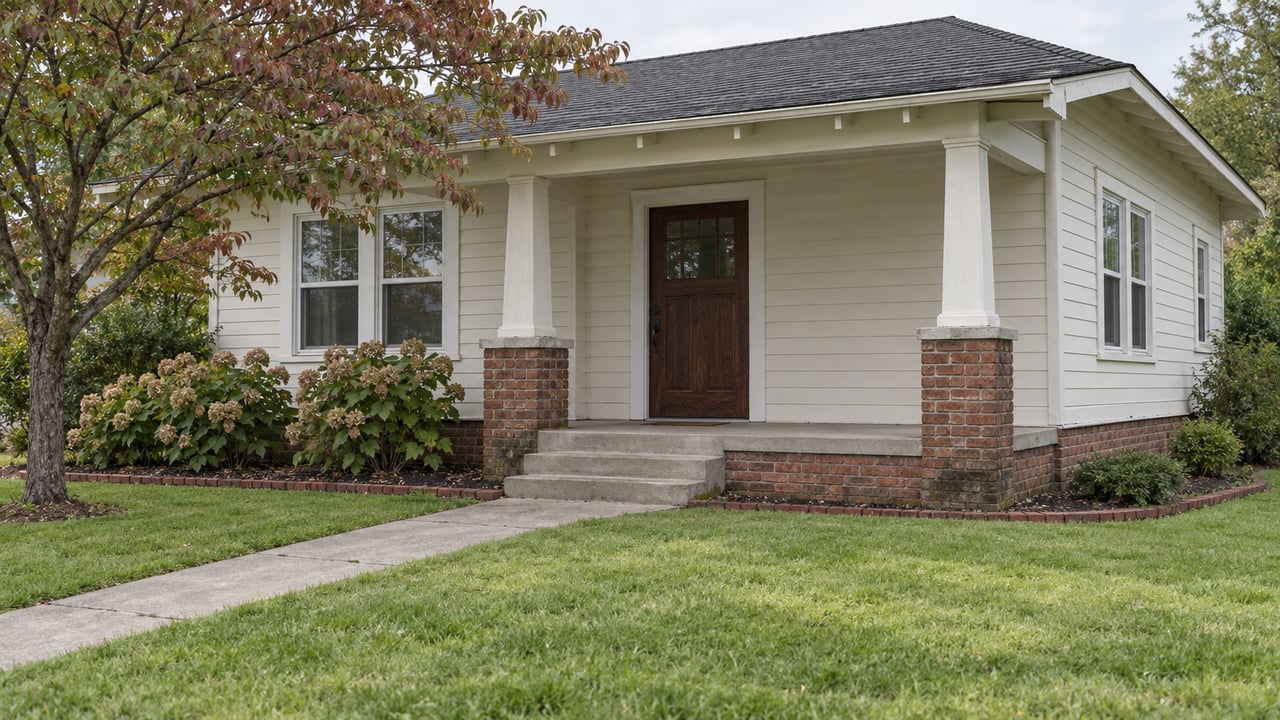
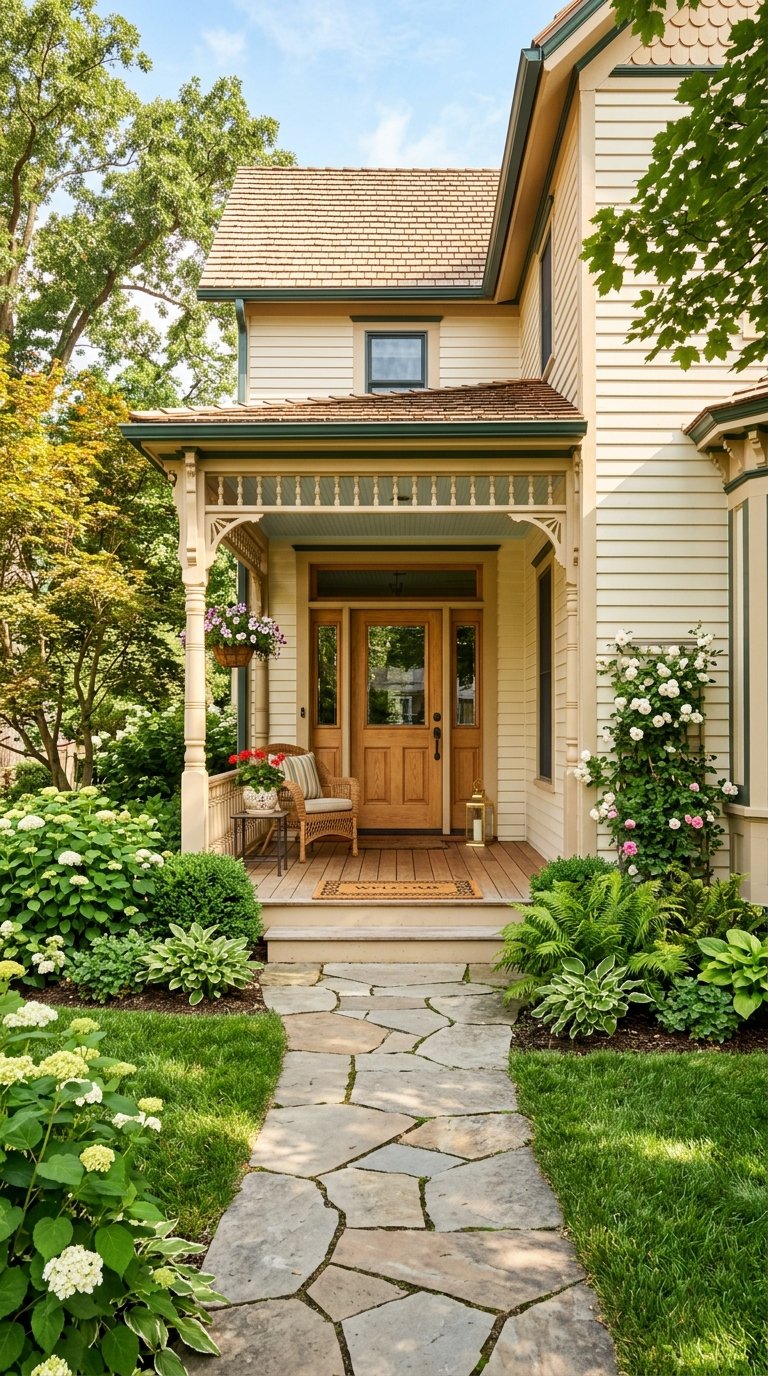
That historic identity is a big part of the appeal. Queen Anne and Craftsman homes help define the area, and the neighborhood is also shaped by preservation, restoration, and thoughtful infill on lots where buildings were lost. If you love architecture and streets with a strong sense of place, Fourth & Gill stands out.
What the Market Means for You
If you are hoping to find a deal based on volume or long shopping timelines, Fourth & Gill may not work that way. Recent Zillow data showed an average home value of $516,928 and only 3 homes for sale as of May 31, 2026. That points to a small, competitive pool of listings.
Recent Redfin sales data also suggests buyers should be ready to act. In its latest neighborhood snapshot from November 2025, the median sale price was $420,000, median days on market was 58, and 22.2% of homes sold above list price. For comparison, Knoxville overall had a median sale price of $316,611 in May 2026 with a 52-day median market time.
The takeaway is simple: Fourth & Gill tends to reward preparation more than bargain hunting. When a well-preserved home hits the market, you may have limited time to decide.
Start With Financing Readiness
Before you fall in love with a front porch or original trim details, get your financing lined up. The Consumer Financial Protection Bureau says a preapproval letter shows sellers you are likely able to get financing, and it is frequently required before an offer is accepted.
Preapproval also helps you shop with a realistic plan. The CFPB recommends asking at least three lenders for preapproval so you can compare options. If there is an issue to solve, it is much better to find it early than during a fast-moving offer situation.
In a neighborhood with very few active listings, a strong offer often starts before the home is listed. That means having your budget, monthly payment comfort zone, and proof of readiness in place.
Know the Historic Overlay Rules
One of the biggest mistakes buyers make with historic homes is assuming every future update will be treated like a standard renovation. In Fourth & Gill, the local historic overlay is what matters. The City of Knoxville and county historic zoning commissions review permits for construction or demolition in designated historic zones, and neighborhood guidance says homes must be renovated in line with the Fourth & Gill Design Guidelines and approved through the City of Knoxville Historic Zoning Commission when required.
The good news is that not every change triggers review. According to the district guidelines, exterior changes that require a building permit are reviewed. Interior changes that do not show from the street, landscaping, paint colors, and other items that do not require a permit do not need Historic Zoning Commission approval.
There is also a Certificate of Appropriateness process. It begins with staff review, and only moves to commission review when staff decides more review is needed. That can make the process more manageable, but you still want to understand the rules before planning major work.
Focus on Visible Exterior Changes
In practical terms, visible exterior work is where buyers need to pay the most attention. The guidelines recommend keeping original windows where possible and avoiding vinyl or aluminum replacement windows. They also recommend placing additions at the rear or on an inconspicuous side and screening mechanical equipment so it is not visible from public rights-of-way.
That means the home you buy may come with both charm and constraints. If your plan includes changing windows, expanding the footprint, or reworking exterior features, make sure you understand what may be reviewed.
Contributing vs. Noncontributing Homes
Not every property in the district is treated the same way. The planning page explains that noncontributing properties are those altered from their original appearance or built outside the district’s period of significance. Those properties are reviewed with more flexibility than contributing properties.
This distinction matters if you are considering a house for a larger design project. A home’s status may affect what kind of exterior changes are easier to approve.
Inspect Beyond the Basics
A standard home inspection is essential, but with an older home, it should be the starting point instead of the whole story. Fannie Mae says a home inspector typically looks at electrical, gas, plumbing, roofing, insulation and ventilation, heating and cooling, fireplaces and venting, foundation and crawlspaces, exterior grading, and windows.
For Fourth & Gill homes, those categories deserve even closer attention. Many houses in the district date from the 1880s through the 1940s, and the design guidelines emphasize roofs, porches, wood trim, and windows as character-defining features.
Areas to Watch Closely
Because these homes often feature frame construction, large porches, and complex rooflines, older components can have a big effect on both function and preservation. Pay special attention to:
- Roof shape and roof condition
- Drainage and exterior grading
- Porch structure and visible wear
- Window condition, repair history, or replacement type
- Exterior wood trim and signs of deferred maintenance
- Foundation and crawlspace issues
- Past alterations that may not fit the home’s historic character
These checks can help you understand not just what needs work, but how that work may need to be handled in a historic district.
When Specialist Inspections Make Sense
Fannie Mae also notes that if there are concerns about pests, radon, asbestos, mold, or lead, you should hire a specialist in addition to the general inspector. The CFPB recommends scheduling the inspection as soon as possible after choosing a home and attending if you can.
That advice is especially useful in Fourth & Gill. If the home shows signs of age-related issues or prior renovation shortcuts, specialist evaluations can give you a clearer picture before you move deeper into the transaction.
Understand Lead Paint Rules for Older Homes
Lead is one of the most important issues to understand when buying an older home. The EPA says the older the home, the more likely it contains lead-based paint. It estimates that 87% of homes built before 1940 and 24% of homes built between 1960 and 1978 have some lead-based paint.
Because many Fourth & Gill homes date from the 1880s through the 1940s, this is not a minor detail. Buyers of most pre-1978 housing are entitled to lead disclosures, available records, the Protect Your Family from Lead in Your Home pamphlet, and an opportunity to test for lead hazards before signing a contract.
If you plan renovations after purchase, this matters even more. The EPA says paid renovation work that disturbs painted surfaces in pre-1978 homes must be done by certified firms using lead-safe work practices.
Build a Smart Offer Strategy
In a character neighborhood with scarce inventory, price matters, but it is not the only factor. Your offer strategy should reflect both market competition and the realities of older housing.
The CFPB says buyers may negotiate repairs with the seller, and if the contract is contingent on a satisfactory inspection, you can cancel without penalty if you are dissatisfied. It also notes that when major repairs are needed, a lender may require those repairs before closing or may require funds to be set aside for the repair after closing.
That is why your inspection language matters just as much as your offer amount. You want to protect yourself while still presenting a serious, informed offer.
Know Your Must-Haves
Before you write an offer, create two short lists:
- Must-haves: the features or conditions you truly need
- Nice-to-haves: the items you would love, but can live without
This sounds simple, but it can keep you focused when inventory is tight. In Fourth & Gill, you may need to choose between perfect finishes and the right structure, location, or long-term potential.
Decide What Is Non-Negotiable
Not every issue should carry the same weight in negotiations. Cosmetic updates are one thing. Major roof issues, significant drainage concerns, structural problems, or window and trim deterioration tied to deferred maintenance may be another.
A smart buyer goes in knowing which repairs are true deal-breakers and which can be handled over time. That kind of clarity can help you move decisively when a great house appears.
A Practical Plan to Win
If you want the best chance of landing a historic home in Fourth & Gill, keep your plan focused and simple.
- Get preapproved before you actively shop.
- Set a clear budget and comfort range.
- Learn the historic overlay rules before planning changes.
- Move quickly when a strong listing appears.
- Schedule inspections early and attend them if possible.
- Bring in specialists when age or condition raises concerns.
- Separate your must-haves from your nice-to-haves.
- Write an offer that balances competitiveness with smart protections.
This neighborhood rewards buyers who appreciate character and do their homework. If you are prepared, you can compete with confidence without losing sight of what makes a historic home worth buying in the first place.
If you are ready to explore Fourth & Gill or want help building a smart buying strategy for Knoxville’s historic neighborhoods, reach out to Shannon Foster-Boline with Realty Executives Associates. You will get local guidance, clear advice, and a team that understands both the market and the lifestyle that make these homes so compelling.
FAQs
What makes Fourth & Gill different from other older Knoxville neighborhoods?
- Fourth & Gill is a locally regulated historic district of about 72 acres with more than 280 residential structures, and it is known for late-19th- and early-20th-century architecture, especially Queen Anne and Craftsman homes.
What should buyers know about historic renovation rules in Fourth & Gill?
- Exterior changes that require a building permit are reviewed under the district guidelines, while interior changes not visible from the street, landscaping, paint colors, and other non-permit work generally do not require Historic Zoning Commission approval.
How competitive is the Fourth & Gill housing market?
- Recent data showed only 3 homes for sale, an average home value of $516,928, and 22.2% of homes selling above list price in the latest available sales snapshot, which suggests buyers should be prepared for limited inventory and some competition.
What inspections matter most for a historic home in Fourth & Gill?
- A general home inspection is essential, and buyers should pay especially close attention to roofs, porches, windows, wood trim, drainage, foundation areas, and any concerns that may call for specialists such as lead, mold, pests, radon, or asbestos.
What should buyers know about lead paint in older Fourth & Gill homes?
- Many homes in the area were built during years when lead-based paint was common, and buyers of most pre-1978 homes are entitled to lead disclosures, available records, a lead information pamphlet, and an opportunity to test before signing a contract.