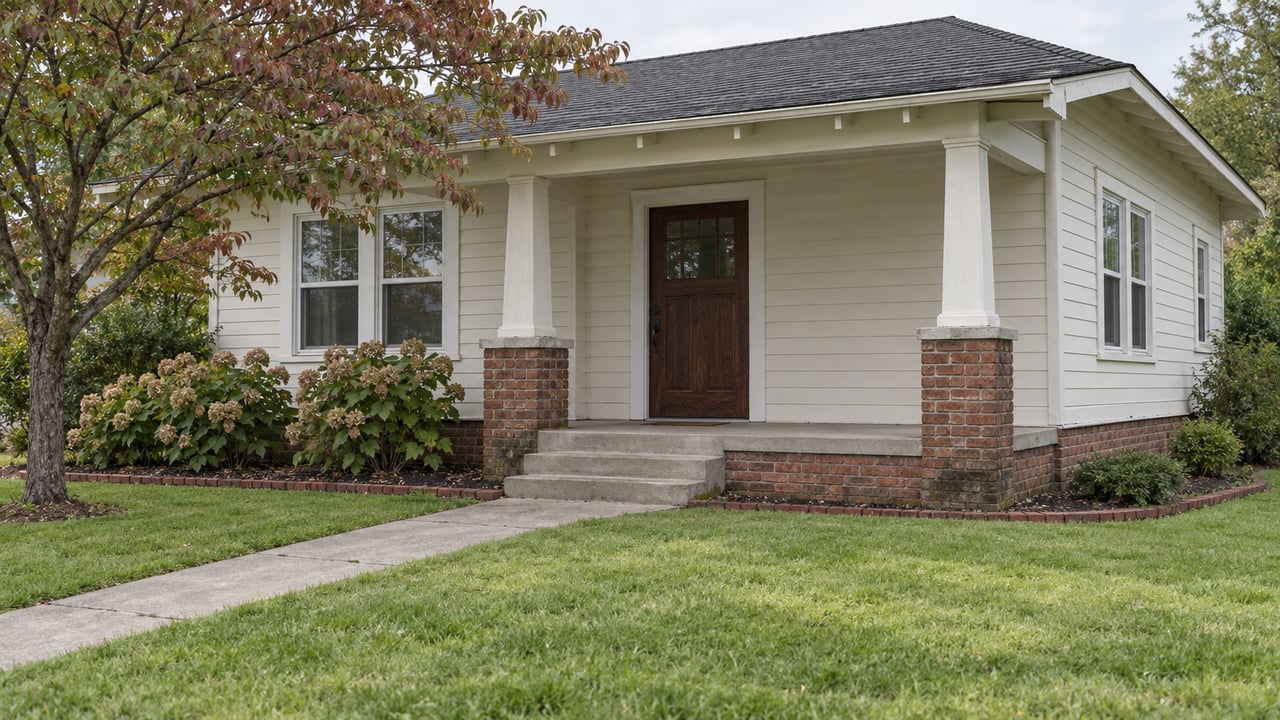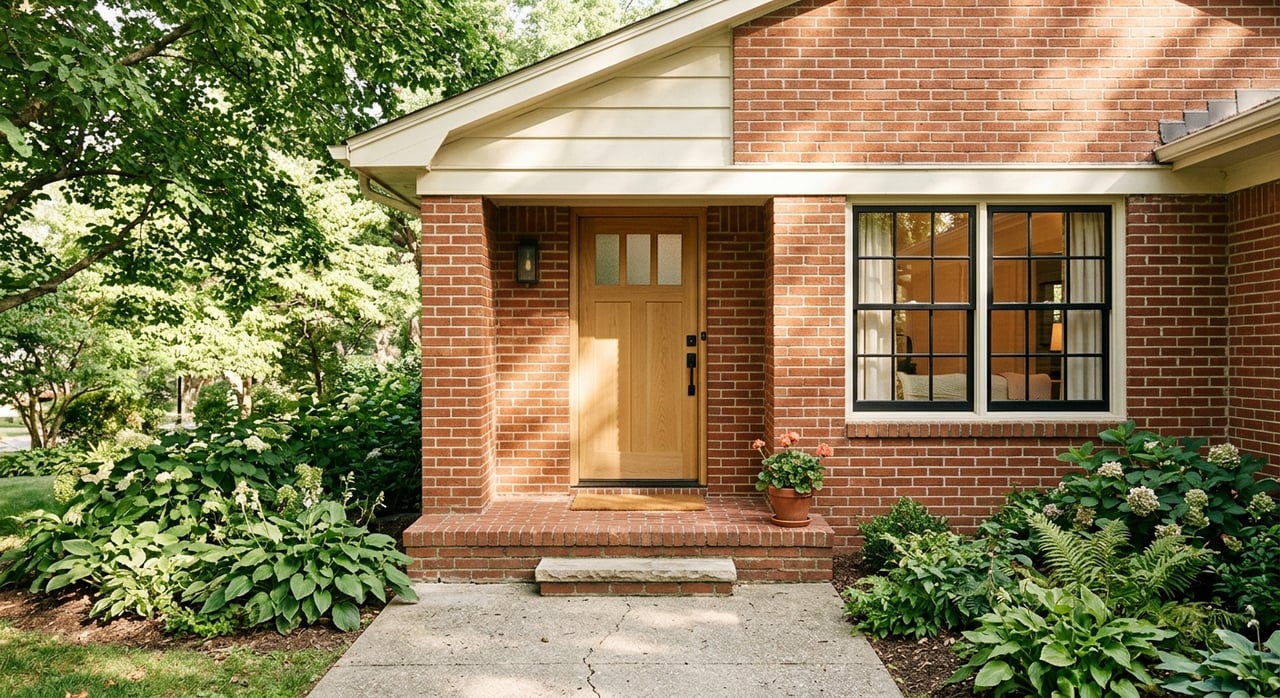
Thinking about updating a Holston Hills home, but worried you might strip away the very charm that made you fall in love with it? That tension is real, especially in a neighborhood where homes were built across several decades and no two streets feel exactly the same. The good news is that you can modernize for comfort, function, and efficiency without losing the features that give your home its identity. Let’s dive in.
What gives Holston Hills its character
Holston Hills grew around Holston Hills Country Club, which dates to 1927, with home construction beginning by the early 1930s and continuing through later plats in the 1940s and 1950s. According to Knoxville’s historic-resources survey update, the neighborhood includes a mix of architectural styles and a notably strong collection of mid-century modern homes. That variety is part of what makes the area feel layered and distinctive.
In other words, Holston Hills is not defined by one single look. Its character comes from the bigger picture: lot patterns, mature landscaping, home scale, rooflines, and the way houses sit within the neighborhood. If you are renovating here, the goal is usually not to make the home look brand new. It is to help the house work better while keeping those neighborhood cues intact.
Start with a repair-first mindset
If your home still has original features, repairing them before replacing them is often the smartest first move. National Park Service rehabilitation guidance supports keeping historic materials, features, and spatial relationships whenever possible. That includes elements like windows, trim, masonry, doors, porches, and room proportions.
This approach matters because original details often do more than add visual charm. They shape how the house feels, both inside and out. Once they are removed, it can be hard to bring that sense of authenticity back.
Features worth saving when possible
Before you start ordering replacements, take a closer look at what can be restored or upgraded. In many older homes, the most character-rich elements are also the ones that give the property its long-term appeal.
- Original wood windows
- Exterior masonry and brickwork
- Front doors and entry details
- Interior trim and millwork
- Porches and railings
- Built-ins and original room layout cues
If a feature is too deteriorated to save, a compatible substitute is usually a better choice than a completely different style. The goal is not to freeze the home in time. It is to make thoughtful decisions that respect what is already there.
Update kitchens and baths carefully
Kitchens and baths are often where homeowners want the biggest transformation. That makes sense because these spaces carry the most day-to-day function. Still, in a character home, the best renovation is not always the one that reworks the entire floor plan.
A preservation-minded approach usually starts inside the existing footprint. Based on rehabilitation standards and Knoxville guidance, it is often better to reconfigure interior spaces that do not define the home’s character before enlarging the building. That can help you gain storage, improve flow, and update finishes without sacrificing the home’s original rhythm.
Smart ways to modernize inside the footprint
You can make a kitchen or bath feel current without erasing the home’s personality. Focus on changes that improve livability while keeping the scale of the house in mind.
- Upgrade plumbing, electrical, and ventilation systems
- Improve lighting with fixtures that suit the home’s style
- Replace worn finishes while keeping the room’s proportions
- Add storage in ways that do not overwhelm the space
- Rework adjacent non-character-defining areas before planning an addition
This tends to create a result that feels more natural. Instead of forcing an old house to behave like a new one, you make it function better on its own terms.
Design additions to support the original house
If you need more square footage, an addition may be the right answer. But in Holston Hills, a good addition should let the original house remain the star. National Park Service guidance and Knoxville historic-zoning materials both emphasize compatibility, especially in massing, scale, and placement.
In practice, that usually means placing additions on a rear or secondary elevation when possible. New work should be subordinate to the main structure and should not destroy the characteristics that define the property. It can echo the original roof pitch, materials, or window rhythm, but it should still be readable as new work.
What a compatible addition looks like
A thoughtful addition does not compete with the front-facing form of the home. Instead, it supports the house and helps preserve the streetscape.
- Smaller in visual prominence than the original house
- Located at the rear or a less visible side when possible
- Similar in scale and proportion
- Compatible in materials and roof form
- Distinct enough that old and new are not confused
That balance is important. If an addition looks too different, it can feel disconnected. If it copies the original too exactly, it can blur the line between historic and new construction.
Think twice before replacing windows
Windows are one of the most common renovation decisions, and one of the most important. National Park Service guidance says historic windows can often be repaired or upgraded, and that caulking, weatherstripping, and glazing repairs should come before replacement. Storm windows can also improve performance.
If replacement is unavoidable, the new windows should match the original appearance as closely as possible. Size, design, proportion, and profile all matter. A window that is technically new but visually off can change the whole look of the house.
For many Holston Hills homes, this is where character can be won or lost. Original windows help define façade rhythm, depth, and proportion. Keeping them, or replacing them carefully when necessary, can make a major difference in the finished result.
Improve efficiency without overdoing it
Older homes often need comfort upgrades, especially in Tennessee’s humid summers and variable winters. The good news is that the least invasive energy improvements are often the most effective place to start. National Park Service guidance encourages homeowners to prioritize minimally invasive measures before making more disruptive changes.
Many historic homes already include practical design features like operable windows, porches, eaves, and masonry. Instead of fighting those features, work with them. You may be able to make the home noticeably more comfortable without a major visual change.
Low-impact efficiency upgrades
These updates can improve comfort and utility costs while helping preserve original materials.
- Air-sealing around windows, doors, and wall penetrations
- Weatherstripping existing windows and doors
- Attic insulation where appropriate
- Wall insulation where appropriate
- Storm windows
- Efficient appliances and fixtures
- Smart thermostat upgrades
Budget matters too. KUB says qualifying customers may receive an average of about $12,000 in free weatherization and efficiency improvements through TVA Home Uplift, and it also offers smart-thermostat rewards. Tennessee’s State Energy Office is also administering home energy rebate programs, though availability and eligibility can change, so it is wise to verify current program details before building them into your renovation budget.
Know when permits may be required
Before work begins, it is important to understand what requires city review. The City of Knoxville says residential additions, alterations and repairs, demolition, and work affecting electrical, gas, mechanical, or plumbing systems generally require permits. That means even projects that seem straightforward can trigger permitting if they change layout, appearance, or function.
A cosmetic refresh is one thing. A renovation that moves walls, changes systems, or alters the exterior is another. If you are planning a kitchen or bath remodel, permit requirements are especially worth checking early.
Common projects that often need permits
- Room additions
- Structural alterations
- Kitchen remodels with layout changes
- Bath remodels involving plumbing changes
- Electrical upgrades
- HVAC or mechanical work
- Gas line work
- Demolition
Checking permit requirements upfront can save you time, money, and stress later. It also gives you a clearer picture of timeline and contractor coordination.
Verify historic review before you assume
This point is especially important in Holston Hills. The neighborhood appears in Knoxville survey materials as a proposed historic district, but Knoxville-Knox County Planning’s current historic-guidelines page lists other active city districts rather than Holston Hills. That means you should not assume your property is automatically subject to historic overlay review.
Instead, verify your parcel’s exact zoning and overlay status before finalizing plans. Some Holston Hills homes may have no historic-review overlay at all, while others could be affected by parcel-specific zoning or future designation. If a property is in a designated historic overlay, Knoxville’s Historic Zoning Commission reviews exterior work, new construction, additions, and demolition, and review focuses on portions visible from the exterior.
This is a key distinction for homeowners. Interior work is not the same as exterior review, and routine assumptions can lead to confusion. A quick parcel-level check early in the process can help you plan with confidence.
Why thoughtful renovations support long-term value
Thoughtful renovation is not just about design taste. It also helps preserve the features that make a neighborhood feel cohesive over time. Knoxville planning materials describe historic overlay districts as tools to preserve heritage and stabilize or improve property values.
Even if your specific parcel is not in an active overlay, the principle still applies. In a place like Holston Hills, buyers are often drawn to the setting, mature landscape, and architectural personality as much as the square footage. Updates that respect those qualities tend to age better and resonate more strongly in the market.
If you are planning to sell in the future, that balance matters. Buyers looking in established Knoxville neighborhoods often notice when a renovation feels true to the house. They also notice when a home has been over-altered in ways that disrupt its original charm.
If you are weighing whether to renovate, buy, or eventually sell a character home in Holston Hills, working with a local team that understands both neighborhood context and buyer expectations can make the path much clearer. For guidance tailored to your goals, connect with Shannon Foster-Boline with Realty Executives Associates.
FAQs
Can you modernize a Holston Hills home without losing its character?
- Yes. A thoughtful renovation can improve comfort and function while preserving character-defining features like windows, trim, masonry, porches, room proportions, and the overall scale of the house.
Should you replace original windows in a Holston Hills home?
- Usually, repair should come first. National Park Service guidance recommends repairing and upgrading historic windows when possible, using measures like weatherstripping, glazing repair, and storm windows before considering full replacement.
Do kitchen and bath remodels in Knoxville usually need permits?
- Often, yes. If the project changes layout or affects plumbing, electrical, gas, mechanical, or structural elements, the City of Knoxville generally requires permits.
Does historic zoning review in Knoxville apply to interior renovations?
- Knoxville’s administrative rules say historic review focuses on portions visible from the exterior. Even so, you should verify your parcel’s exact status before starting work.
Are all Holston Hills homes in a historic overlay district?
- No. Holston Hills appears in survey materials as a proposed historic district, but it is not listed among the current active city historic design-guideline districts, so parcel verification is important.
What energy upgrades make sense for an older Holston Hills home?
- Low-impact improvements often make the most sense first, including air-sealing, weatherstripping, insulation where appropriate, storm windows, efficient fixtures and appliances, and smart thermostat upgrades.