Saturday, September 26, just past 7 a.m., and there is already a line at the ballfields off 1100 Cherokee Boulevard. Painters are getting their canvases stamped, one at a time, before scattering across Sequoyah Hills Park and the grassy median that splits the boulevard in two. Oil, watercolor, pastel, whatever travels best and dries fastest. By 11 a.m. the brushes stop. By 11:30, the park has turned into an open-air market where the artists set their own prices for whatever they finished that morning.
That Saturday closed out Plein Air Smokies 2026, a weeklong event that spends its first days deep in Great Smoky Mountains National Park and around Townsend before finishing, every year, in this one Knoxville park. Twenty featured artists worked the Quick Draw Competition alongside a separate open division that let anyone 14 or older register, with sign-ups closing days in advance and none accepted the morning of. Sale proceeds beyond what painters keep support Great Smoky Mountains Institute at Tremont, the nonprofit that took over running the festival in 2025 after Friends of the Smokies created it in 2022. Across the full week, last year's sales topped $130,000.
None of that happened in a rented gallery or a downtown event space built for exactly this. It happened in a public park that a volunteer neighborhood association has spent more than a decade paying to maintain, repair, and occasionally rebuild from scratch.
The Boulevard Was Built to Hold This
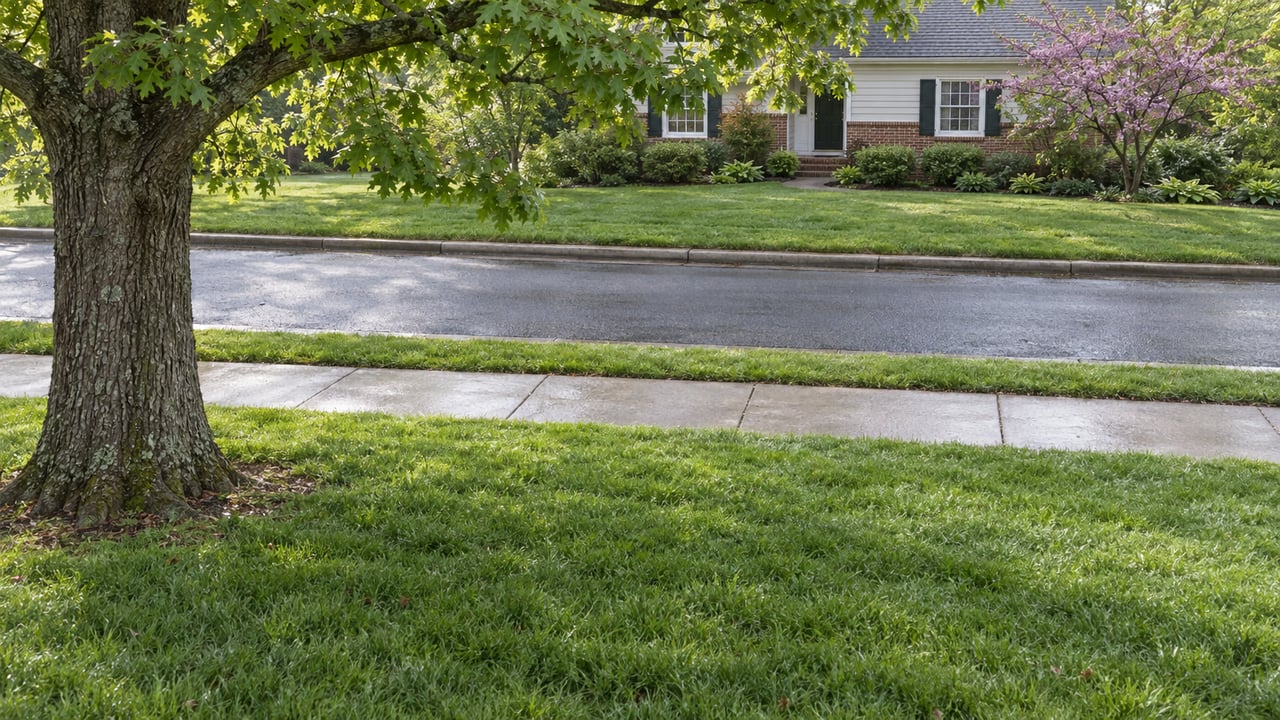
Cherokee Boulevard has been the backbone of Sequoyah Hills since the boulevard's establishment in 1925, and the tree-lined median running down its center is wide enough that painters could set up "out of the path of pedestrian and vehicular traffic," as the event's own instructions to artists put it. That's not incidental landscaping. It's a public right-of-way that a hundred years of upkeep have kept wide, mowed, and walkable enough to double as workspace for twenty people with easels on a Saturday morning.
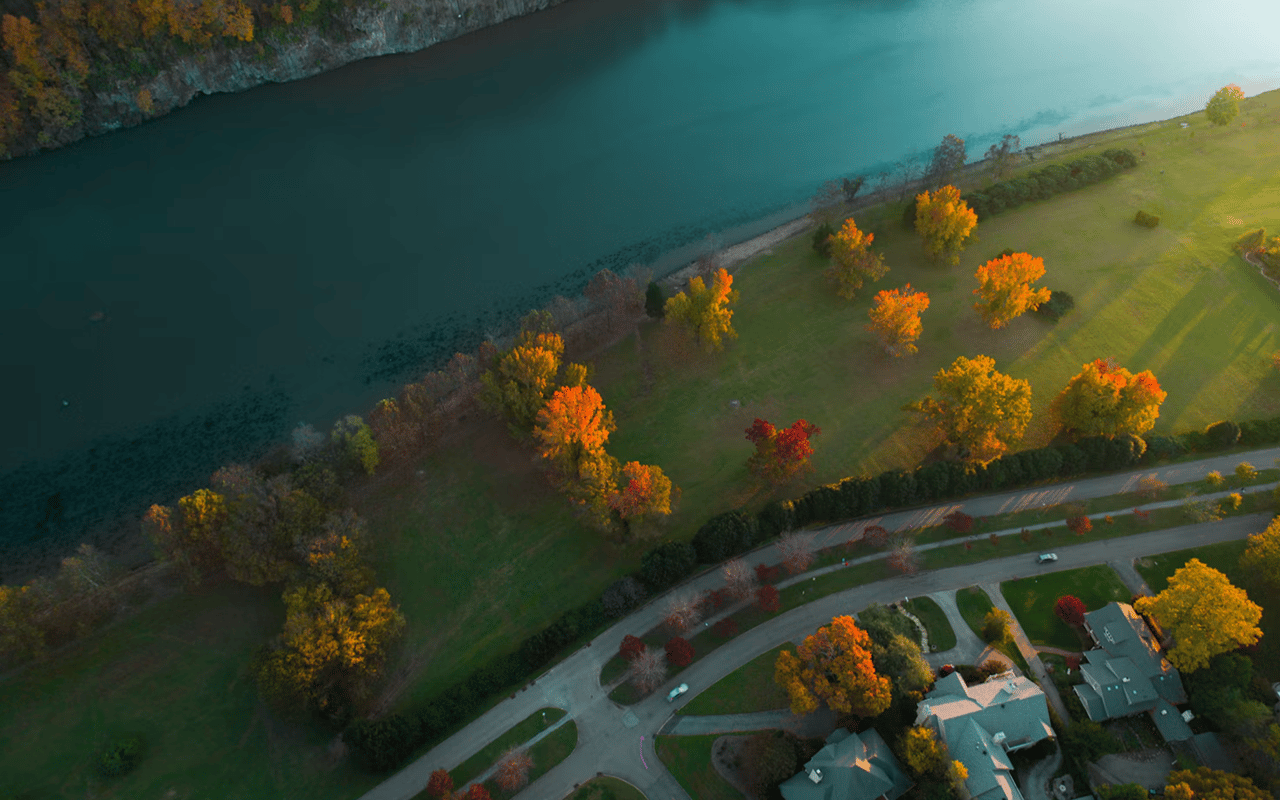
The neighborhood has had practice being looked at. In 1955, Sequoyah Hills became the first stop on Knoxville's Dogwood Arts Trail, a seasonal driving and walking route that has since grown to include thirteen neighborhoods across the city. Every spring since, the same boulevard that hosted painters this September fills with drivers and cyclists coming through specifically for the dogwoods. The park's three separate sections, each with its own parking and its own access to the Tennessee River, weren't designed with an art festival in mind. They were designed to handle exactly this kind of recurring outside interest without falling apart under it.
Where the Upkeep Money Actually Comes From
The organization responsible for most of that upkeep is the Kingston Pike Sequoyah Hills Association, a volunteer nonprofit that funds flower beds at intersections throughout the neighborhood, most prominently around the Sunhouse Fountain, maintains the pet waste stations throughout the park system, and sets aside extra dues for legal advice when zoning or demolition issues threaten the character of a street.
The bigger projects are where the numbers get specific. KPSHA says its residents have put more than $300,000 into park restorations over the years, completing work on Papoose Park in 2014 and on the Sunhouse Fountain, the frog-topped landmark most people just call the Frog Fountain, in 2018. Panther Fountain is the most recent addition to that list. This is a neighborhood association that operates less like a social club and more like an ongoing capital fund, one that residents have been paying into for well over a decade to keep specific pieces of shared ground in working order.
That's the infrastructure a traveling art festival walks into when it picks Sequoyah Hills Park for its closing morning. The ballfields where artists checked in, the median where they painted, and the fountain used for a different event in December are part of the neighborhood setting. KPSHA has funded park restorations over the years.
The Calendar Doesn't Take the Rest of the Year Off
The Quick Draw wasn't an isolated event dropped into a quiet neighborhood. It landed three weeks after KPSHA's own Labor Day Picnic, which brought a bluegrass band, food trucks, and a Best Neighborhood Dessert Contest to the same stretch of green space. The rest of the association's calendar runs on a similar rhythm:
- A July Fourth parade with a Knoxville Fire Department engine and open hydrants, weather and emergency calls permitting
- The Labor Day Picnic, with pre-orders for a limited-edition glass Frog Christmas ornament handed out the same evening
- A Christmas Tree Lighting at the Frog Fountain in December, with hot chocolate, a Santa photo station, and a kids' station for making reindeer food
- Cheer sections organized along the Covenant Health Knoxville Marathon route each spring
This June, Sequoyah Elementary also served as one of four Region 1 host sites for Knox County Schools' free Summer Learning Camp, opening its gym and classrooms for four weeks to rising K-5 students from Pond Gap Elementary and West View Elementary, not just its own zoned students. The building sat inside an active 15 mph school zone well past Memorial Day because of it.
Together, the calendar, school programs, and park work make up a year-round part of neighborhood life.
What a Painter Sees That a Passerby Might Not
Plein Air Smokies holds its closing morning at Sequoyah Hills Park, where artists can use a clean, mowed, well-lit public space with parking, water access, and a boulevard median wide enough to paint safely from.
Walk a few blocks past the ballfields after the judging tent comes down and the loop connects to the kind of small businesses that make an ordinary Saturday morning worth extending. The Plaid Apron and Treetop Coffee Shop both sit close enough to the park that finishing a painting or just finishing a walk can turn into breakfast without getting back in a car. Talahi Park, the smaller stone park just west along the boulevard, and Whitlow-Logan Park a couple of streets southwest, round out a network of green space that gives the neighborhood more than one place to end a morning like that.
The easels are gone until next September. The fountain they'll gather around in December is already funded. The picnic that closed out summer already happened. What stays constant is the association quietly writing checks for flower beds and fountain repairs in between all of it, alongside the art festival's annual return to this specific stretch of Cherokee Boulevard.
If you're curious what else is on the KPSHA calendar before the Frog Fountain gets its Christmas lights, the association posts updates directly at sequoyahhills.org. The Foster-Boline Group keeps half an eye on Sequoyah Hills news like this year-round, mostly because it's a good excuse to walk the boulevard ourselves.
This article is general information, not legal, tax or financial advice. Consult a qualified professional about your situation.